Why Your Pasta Water Should Taste Like the Sea
// Introduction
Ask any Italian grandmother and she will tell you without hesitation: pasta water should taste like the sea. Not "a little salty." Not "seasoned." Like the actual Mediterranean. We spent three weeks testing this claim and the results changed how we cook pasta forever.
The Science Behind Salted Pasta Water
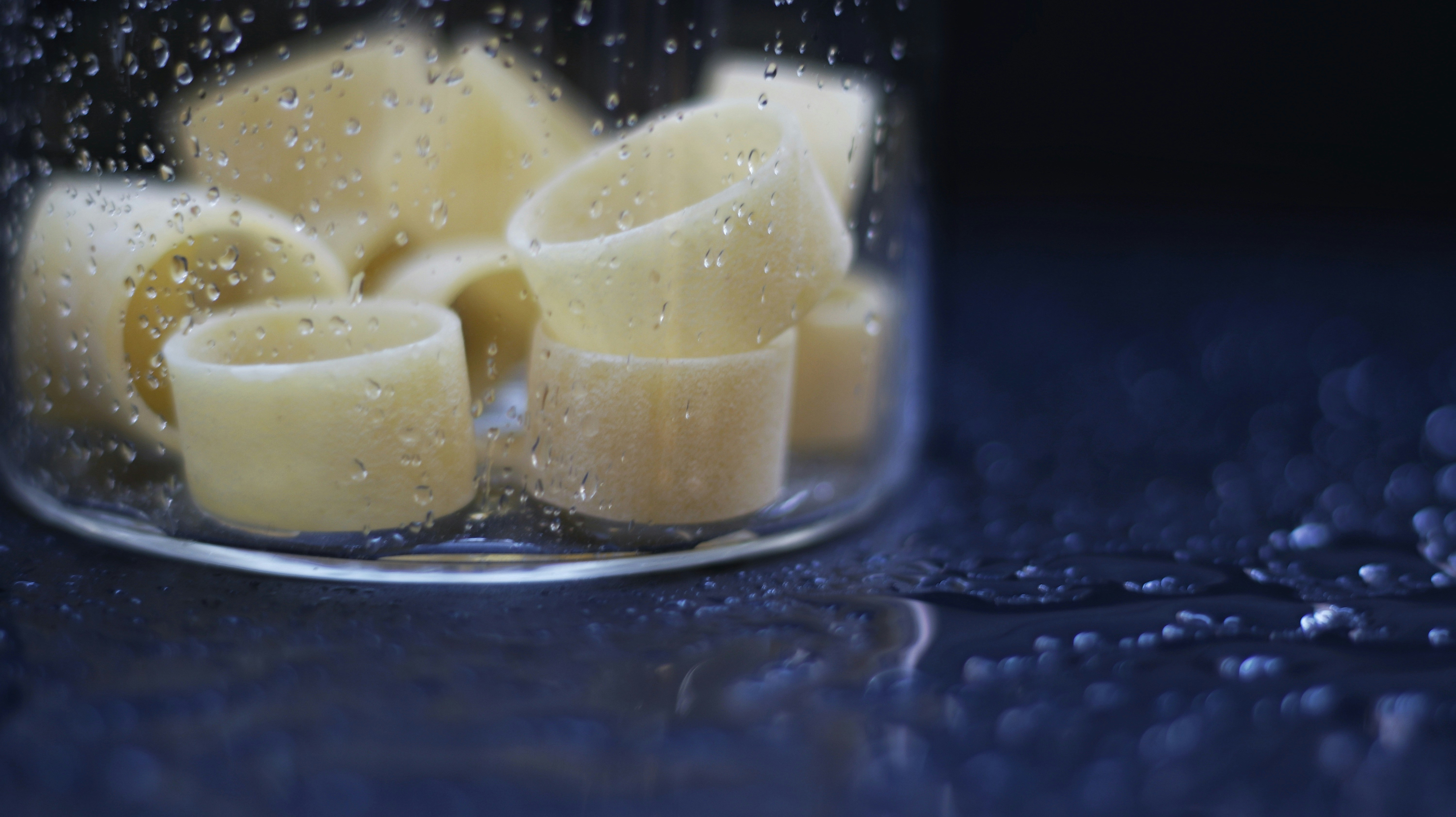
When you drop pasta into unsalted boiling water, you are missing the single most important seasoning opportunity in the entire dish. Pasta is porous. As it cooks, it absorbs water and if that water is properly salted, the seasoning penetrates every millimetre of the pasta itself, not just the surface.
Most home cooks add a pinch. A teaspoon. Maybe a tablespoon if they are feeling bold. But Italian tradition and food science both call for something far more aggressive: roughly 10 grams of salt per litre of water. That is about two teaspoons per litre. For a standard 4-litre pot, you are looking at 40 grams. That sounds like a lot. It is a lot. It is also correct.
The resulting water should taste distinctly salty, not unpleasant, but unmistakably seasoned. When you taste it, you should think: "this is too salty to drink." That is exactly right.
What Happens When You Get It Wrong
Undersalted pasta water produces pasta that tastes flat no matter how good your sauce is. You can drown it in the finest extra virgin olive oil from Calabria, pile on the best nduja, reduce the most flavourful tomato sauce and the pasta itself will still taste like cardboard.
This is why restaurant pasta often tastes better than home pasta. It is not the chef's secret technique. It is not a special piece of equipment. It is the water. Properly salted water produces pasta with flavour built into its structure, and no amount of sauce can replicate that.
The Olive Oil Question
You have probably heard the advice: add olive oil to your pasta water to stop it sticking. Do not do this. It is one of the most persistent myths in home cooking, and it actively makes your pasta worse.
Oil floats on water. It does not coat the pasta while it cooks. What it does do is coat the pasta after you drain it, creating a slippery surface that prevents your sauce from adhering properly. You end up with sauce pooling at the bottom of the bowl while the pasta sits above it, gleaming and slick and flavourless.
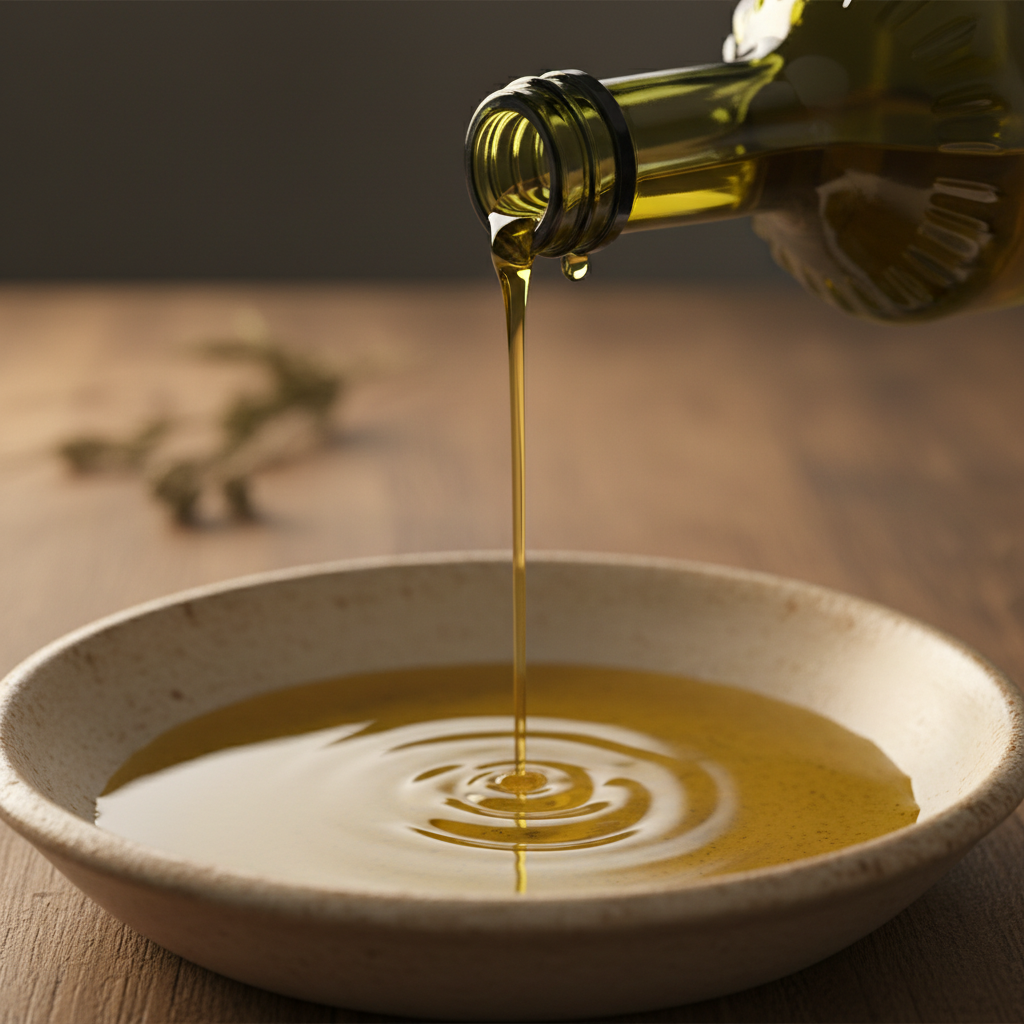
If your pasta is sticking, the solution is more water, a bigger pot, and stirring in the first two minutes of cooking. That is it. Save your olive oil for finishing the dish. A generous drizzle of cold-pressed extra virgin over the finished plate is one of the great pleasures of Italian cooking.
The Pasta Water Finish
Here is the technique that separates good pasta from great pasta: reserve a cup of pasta water before you drain. The starchy, salty water is liquid gold for finishing your sauce.
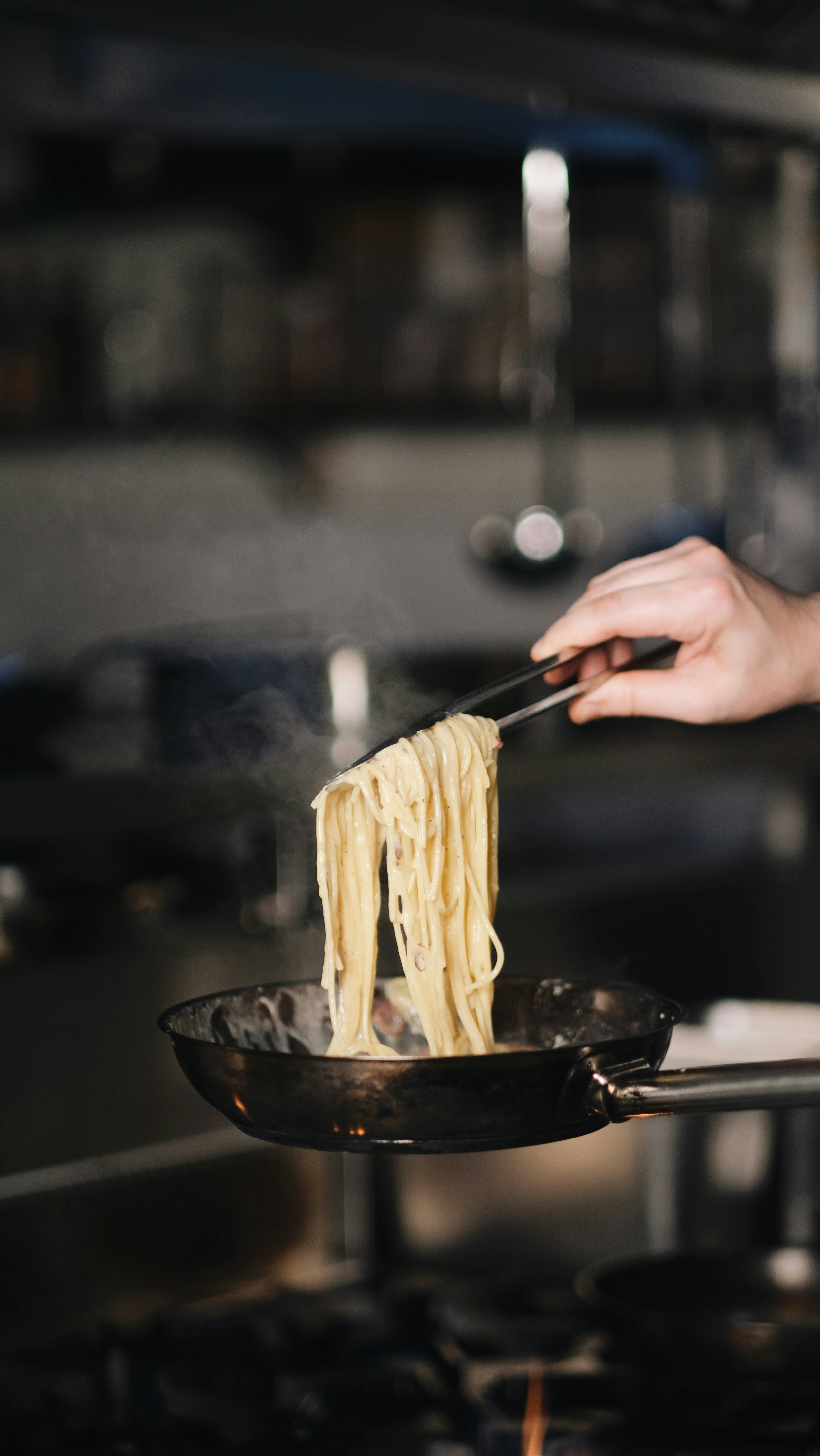
When you combine your cooked pasta with your sauce in the pan, add a splash of pasta water and toss vigorously over high heat. The starch emulsifies the fat in the sauce, creating a glossy, cohesive coating that clings to every surface of the pasta. This is how restaurant pasta achieves that silky finish.
The salt in the water also means you are adding seasoning as you finish, a final adjustment that brings the whole dish together. It is the difference between pasta that tastes assembled and pasta that tastes cooked.
Our Recommendation
Use a large pot. Fill it with at least 4 litres of water for 400g of pasta. Bring it to a rolling boil before adding the pasta, not a gentle simmer, a proper boil. Add 40 grams of salt (about 2 tablespoons of fine sea salt or 3 tablespoons of coarse). Taste it. It should taste like the sea.
Then add your pasta, stir immediately, and stir again at the two-minute mark. Set a timer for one minute less than the packet suggests. You will finish cooking in the pan with your sauce. Reserve a cup of pasta water before draining.
This is not complicated. It is just precise. And precision, in Italian cooking, is everything.
The olive oil that finishes the dish.
Cold-pressed, single-origin from Calabria. The last ingredient your pasta needs.
// More from the Journal