The Olive Oil Fraud You Probably Have in Your Cupboard
// Introduction
The bottle says "Extra Virgin." The label shows rolling Tuscan hills. The price is €4.99. And the oil inside is almost certainly not what you think it is. Olive oil fraud is one of the most widespread food scandals in the world and most people have no idea it is happening in their own kitchen.
What "Extra Virgin" Actually Means
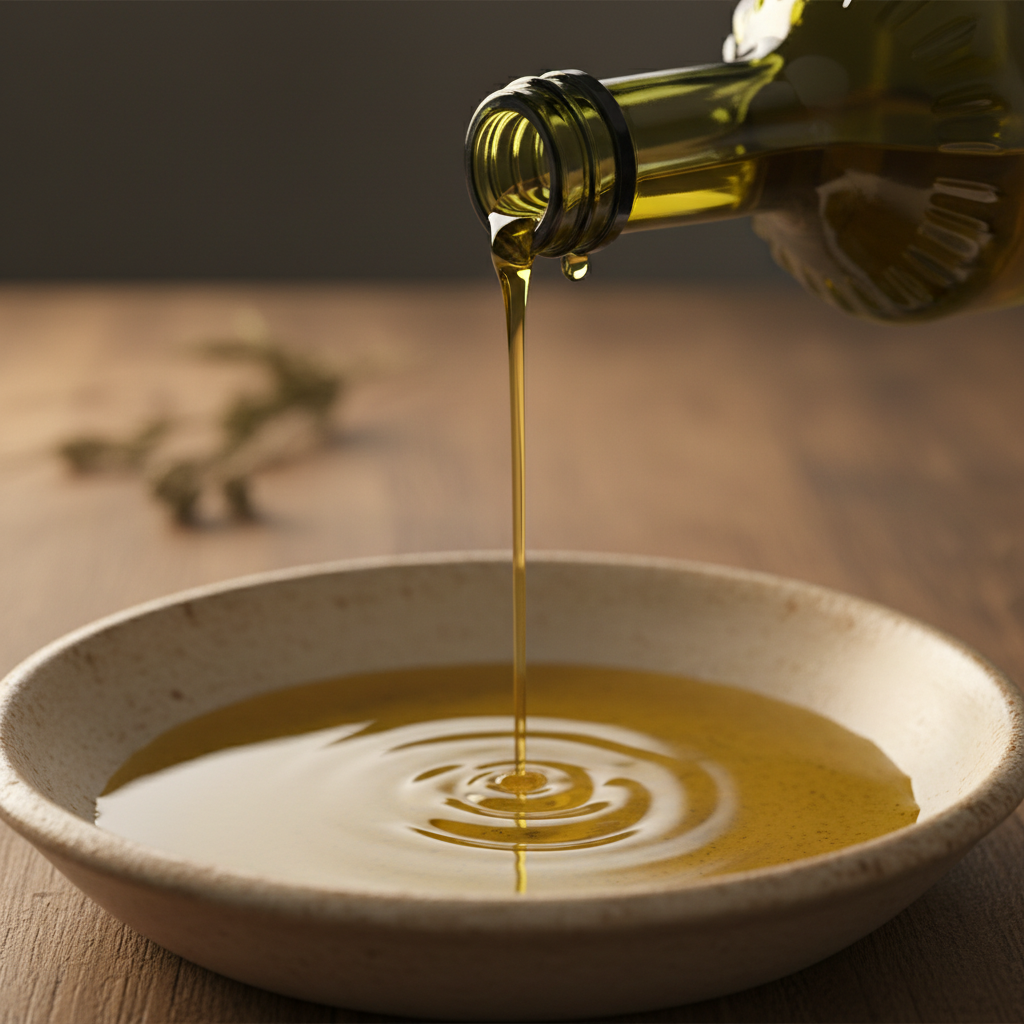
Extra virgin olive oil has a legal definition. It must be produced by mechanical means only, no heat, no chemicals. It must have a free acidity level below 0.8%. It must pass both chemical and sensory tests. It must taste fresh, fruity, and slightly bitter, with no defects.
This is a high standard. Meeting it consistently requires good olives, careful harvesting, and fast processing. It also costs money. Which is why a €4.99 bottle of "extra virgin" olive oil from a supermarket should raise immediate questions.
How the Fraud Works
The most common form of olive oil fraud involves blending. A small amount of genuine extra virgin olive oil is mixed with refined olive oil, oil that has been chemically processed to remove defects, colour, and flavour. The result passes basic chemical tests but lacks the polyphenols, antioxidants, and flavour compounds that make extra virgin olive oil valuable.
A more sophisticated version involves blending with other vegetable oils entirely, including sunflower, soybean, and hazelnut, with chlorophyll added to achieve the right colour. This is harder to detect and has been documented in multiple EU investigations.
The third category is geographic fraud: oil labelled as Italian that is actually Spanish, Greek, or North African oil bottled in Italy. Italian bottling is legal. Italian origin is not the same thing.
The Investigations
This is not a conspiracy theory. It is documented fact. A 2016 UC Davis study found that 69% of imported olive oils labelled "extra virgin" failed to meet the standard. A 2015 European Parliament report estimated that olive oil fraud costs the EU economy €1.2 billion annually.
The Italian anti-fraud agency (ICQRF) conducts regular operations. "Operation Golden Oil" in 2019 seized 9,000 litres of fraudulent product. The problem is structural: the margins on genuine extra virgin olive oil are thin, the margins on fraud are substantial, and enforcement is difficult across complex international supply chains.
How to Spot the Real Thing
Price: Genuine extra virgin olive oil cannot be produced at scale for less than €8 to 10 per litre. If you are paying less than that, ask questions.
Harvest date: Look for a harvest date, not just a best-before date. Fresh olive oil is best within 18 months of harvest. A best-before date two years from now tells you nothing about when the olives were pressed.
Origin specificity: "Product of EU" or "blend of EU and non-EU olive oils" is a red flag. Single-origin oil from a named estate or region is traceable.
Polyphenol content: Some producers now list polyphenol content on the label. High polyphenol oil (above 250mg/kg) is genuinely extra virgin. The polyphenols are destroyed by adulteration and refining.
Taste: Real extra virgin olive oil has a distinctive peppery finish at the back of the throat. This is caused by oleocanthal, a natural anti-inflammatory compound. If your olive oil tastes like nothing, it probably is nothing.
Why We Source Directly from Calabria
Oliver's Originals was built around a single principle: know exactly where your food comes from. Our olive oil comes from a single estate in Francavilla Angitola, Calabria, a small village in the toe of Italy's boot where olive cultivation has been continuous for over two thousand years. The variety is 100% Carolea, a native Calabrian cultivar prized for its high polyphenol content and distinctive peppery finish.
We visit the harvest. We know the trees. We know the family. The oil is cold-pressed within hours of picking and bottled without filtration to preserve the maximum polyphenol content. There is no supply chain to hide fraud in. There is no blending. There is no mystery.
This is what olive oil is supposed to taste like. Once you know, you cannot go back.
Single-origin. Traceable. Real.
Cold-pressed extra virgin olive oil from Francavilla Angitola, Calabria. 100% Carolea. Harvested by hand. No blending. No fraud.
// More from the Journal