Paccheri: The Pasta Shape That Slaps
// Introduction
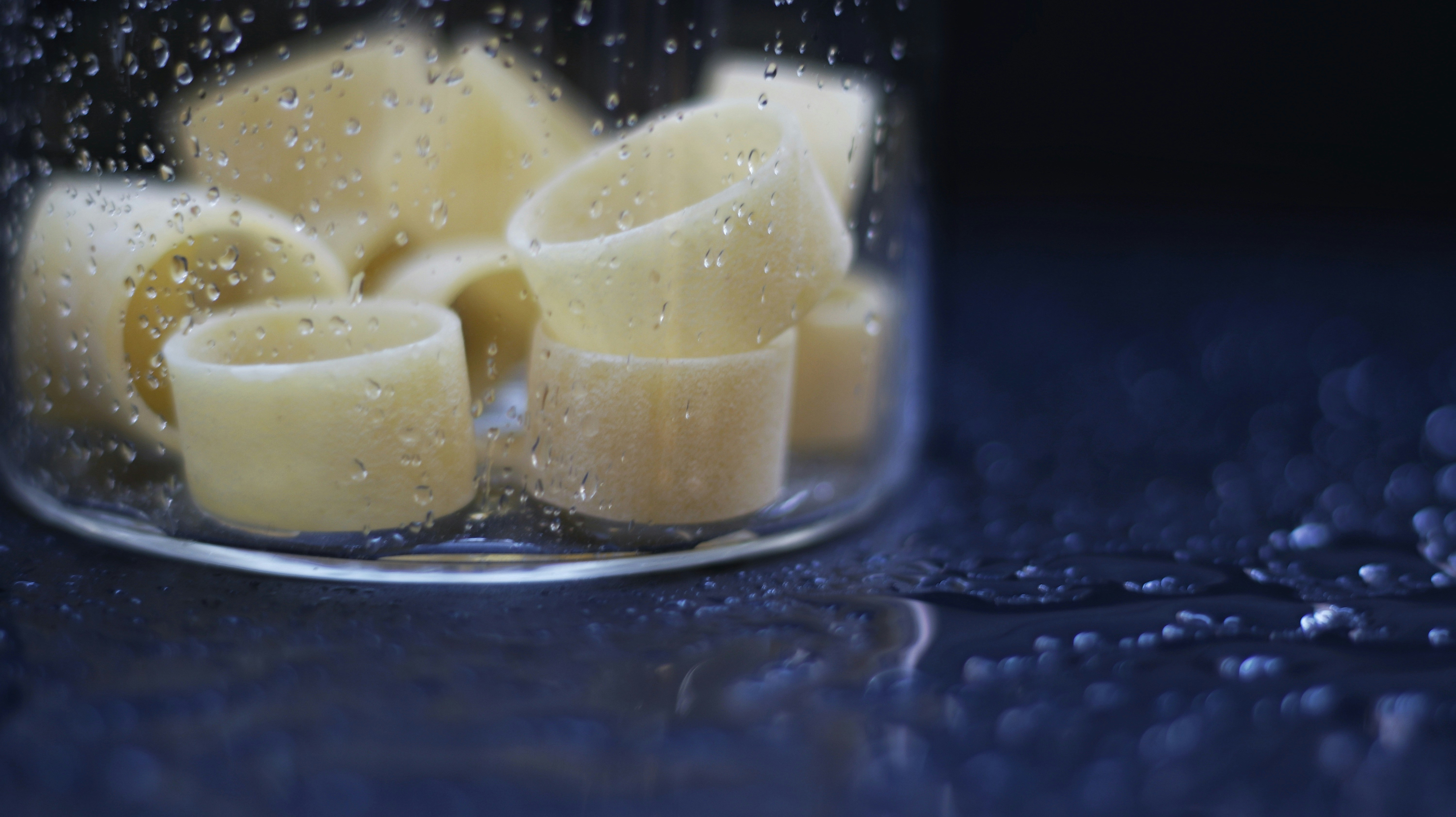
Paccheri is not a subtle pasta. It is large, dramatic, and completely uninterested in restraint. Each piece is roughly 5cm long and 3cm wide, a hollow cylinder that functions less like pasta and more like a vessel. A delivery mechanism for sauce. A commitment to excess that is, in the best possible way, very Italian.
The History of Paccheri
Paccheri originates from Campania, the region around Naples, and its name almost certainly derives from the Neapolitan word "pacchero," meaning a slap or smack. The name is apt. Paccheri is not a pasta that whispers. It arrives on the plate with authority.
There is a popular story, possibly apocryphal but definitely entertaining, that paccheri was invented as a smuggling device. Neapolitan merchants allegedly used the large hollow tubes to conceal garlic cloves being illegally exported to Prussia in the 17th century. Whether or not this is true, it speaks to the pasta's character: large enough to hide things in, dramatic enough to make a story worth telling.
Bronze Die vs Teflon Die: Why It Matters for Paccheri
The surface texture of paccheri is everything. A smooth, Teflon-extruded paccheri is slippery and sauce slides off rather than clinging. A rough, bronze-die extruded paccheri has a porous, slightly irregular surface that grips sauce the way a good pasta should.
Our paccheri is extruded through bronze dies and dried slowly at low temperature, a process that takes 24 to 48 hours rather than the 2 to 3 hours of industrial production. The result is a pasta with genuine texture, a slightly nutty flavour from the slow drying, and a surface that holds sauce rather than repelling it.
The Best Sauces for Paccheri
Paccheri's size and hollow structure make it ideal for robust, chunky sauces that would overwhelm a more delicate pasta shape. It is not a pasta for light, oil-based sauces. Those are better served by spaghetti or linguine.
Nduja and tomato: The spicy Calabrian spreadable salami melts into tomato sauce to create something deeply savoury and complex. The heat of the nduja is tempered by the sweetness of good San Marzano tomatoes. Paccheri holds this sauce inside its hollow centre, delivering a concentrated hit of flavour in every bite.
Slow-cooked ragu: A proper Neapolitan ragu, cooked for four hours minimum with pork ribs, sausage, and beef, is the traditional partner for paccheri. The pasta's size means it can stand up to the weight of the sauce without disappearing into it.
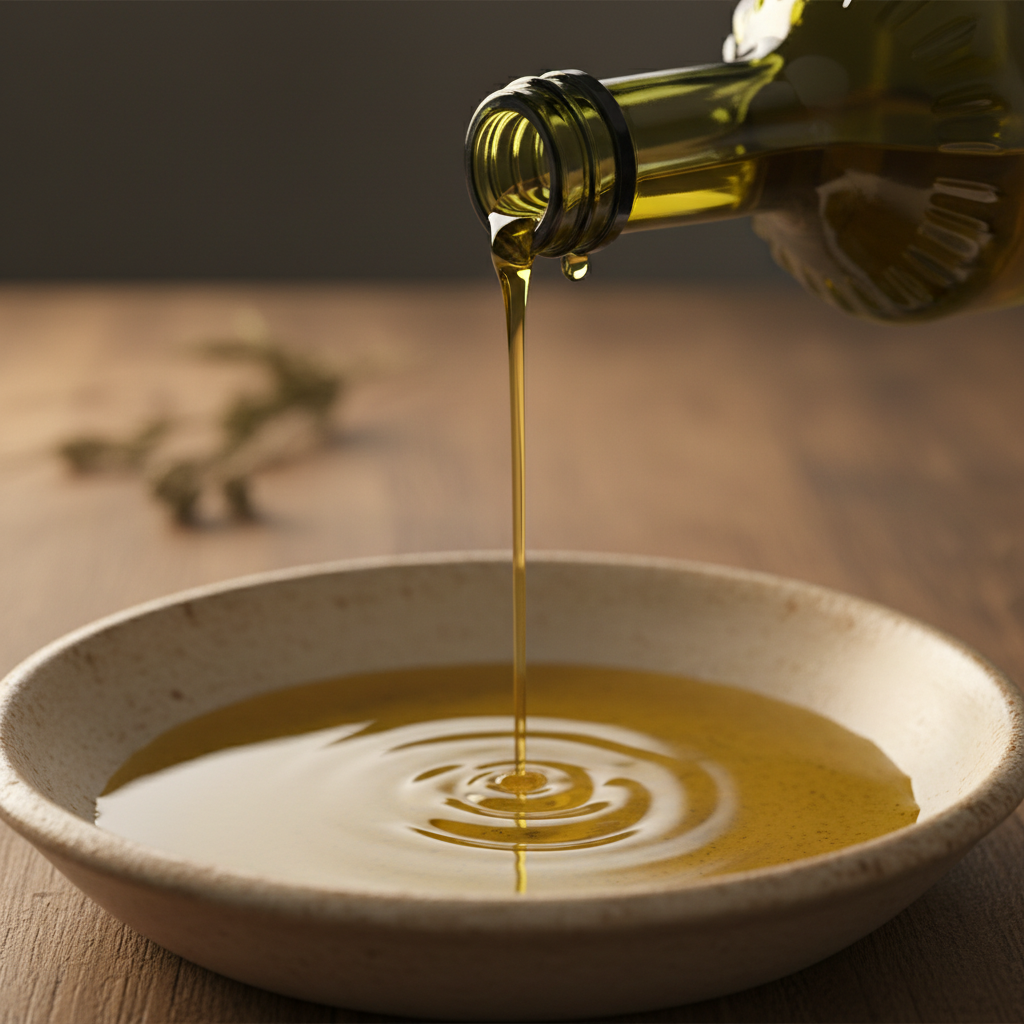
Burrata and basil: For a lighter option, paccheri with torn burrata, fresh basil, and a generous pour of cold-pressed olive oil is one of the great summer pasta dishes. The contrast between the warm pasta and cold burrata is extraordinary.
How to Cook Paccheri Perfectly
Paccheri requires more water than smaller pasta shapes. Use at least 5 litres for 400g. The large surface area means it needs room to move freely, and the hollow centre needs to fill with water to cook evenly.
Salt the water aggressively (see our guide to pasta water). Cook for 2 minutes less than the packet suggests. Paccheri should be genuinely al dente, with a slight resistance at the centre. It will continue cooking in the pan with your sauce.
The most common mistake with paccheri is overcooking. Soft paccheri is a tragedy. Al dente paccheri, finished in the pan with sauce and a splash of pasta water, is a revelation.
Bronze-die paccheri from Calabria.
Slow-dried, rough-textured, and ready for the sauce it deserves. Shop our pasta range.
// More from the Journal