Stroncatura: The Peasant Pasta That Became a Calabrian Icon
// Introduction
Stroncatura has one of the most remarkable origin stories in Italian food. It was not designed by a chef or developed in a restaurant kitchen. It was made from what was left over after the wheat was milled: the bran, the germ, the rough outer layers of the grain that were swept from the mill floor and pressed into pasta for those who could not afford the refined flour. It was the pasta of the poor. Today it is one of Calabria's most celebrated shapes.
What Stroncatura Is
Stroncatura is made from a blend of semolina and the coarser, darker remnants of wheat milling: bran, wheat germ, and the rough outer layers of the grain. The result is a pasta that is darker in colour than standard semolina pasta, with a rougher texture, a more pronounced wheaty flavour, and a slightly nutty, earthy quality that sets it apart from any other pasta shape.
The pasta is typically long and slightly irregular, similar in form to a rough spaghetti or linguine but with a darker colour and a more textured surface. The roughness is not a defect. It is the defining characteristic of stroncatura and the reason it holds sauce so effectively.
The History of Stroncatura
For most of its history, stroncatura was not considered a desirable food. The refined white flour went to those who could afford it. The rough remnants, the "stroncatura" (from the Calabrian dialect word for the sweepings or remnants of the mill), were pressed into pasta for the poor.
This changed in the latter half of the 20th century as Italian food culture began to reassess its peasant traditions. Chefs and food writers discovered that the rough, dark pasta had a depth of flavour that refined semolina pasta lacked. The bran and wheat germ that had been considered inferior turned out to be where much of the flavour lived. What had been the pasta of poverty became a sought-after specialty.
Stroncatura with Anchovies and Breadcrumbs
The most traditional Calabrian preparation pairs stroncatura with anchovies, garlic, chilli, olives, and toasted breadcrumbs. It is a dish built from the same pantry as the pasta itself: preserved fish, cured olives, dried chilli, and stale bread. Everything in the dish was once considered humble. Together, they produce something extraordinary.
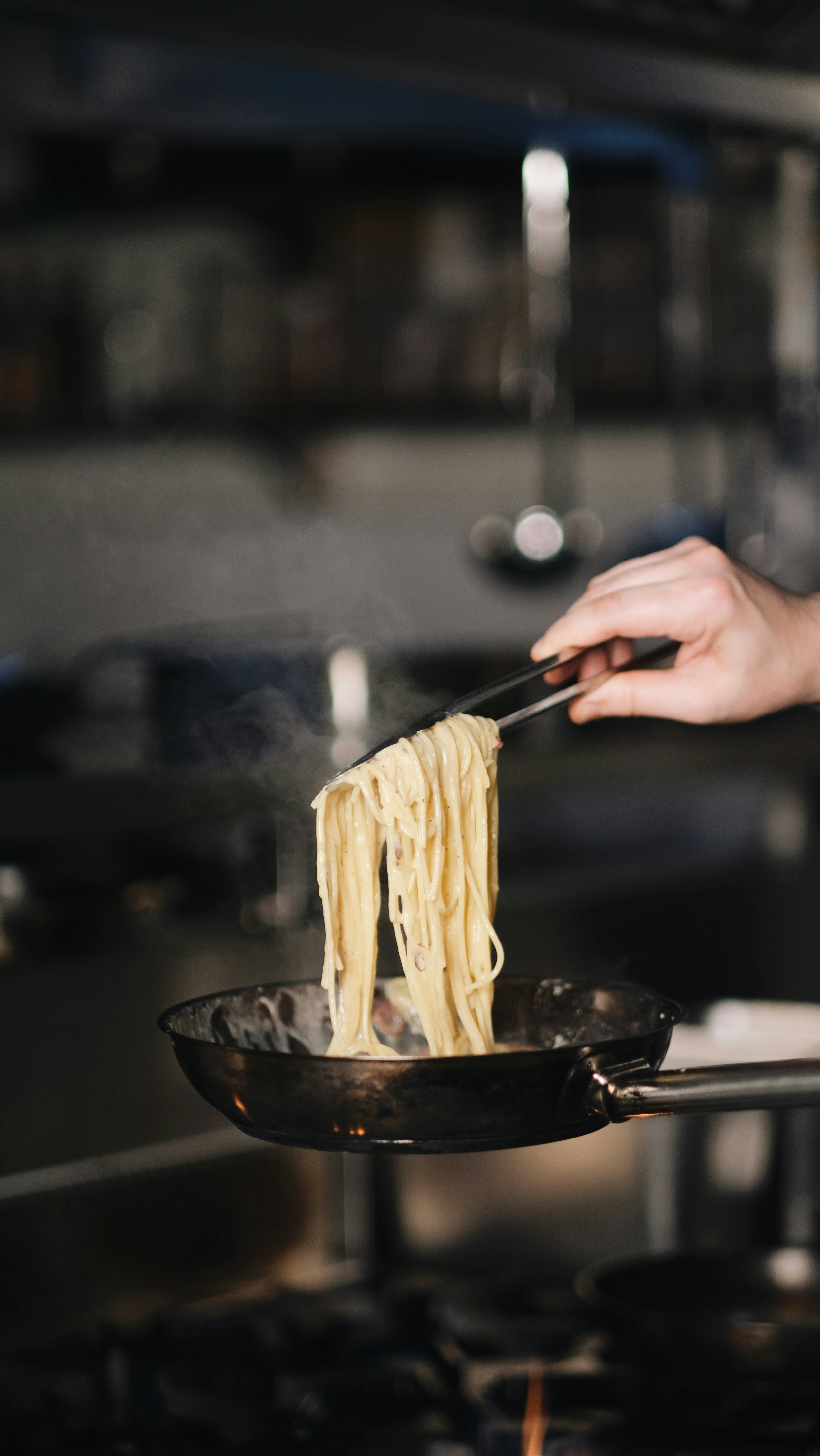
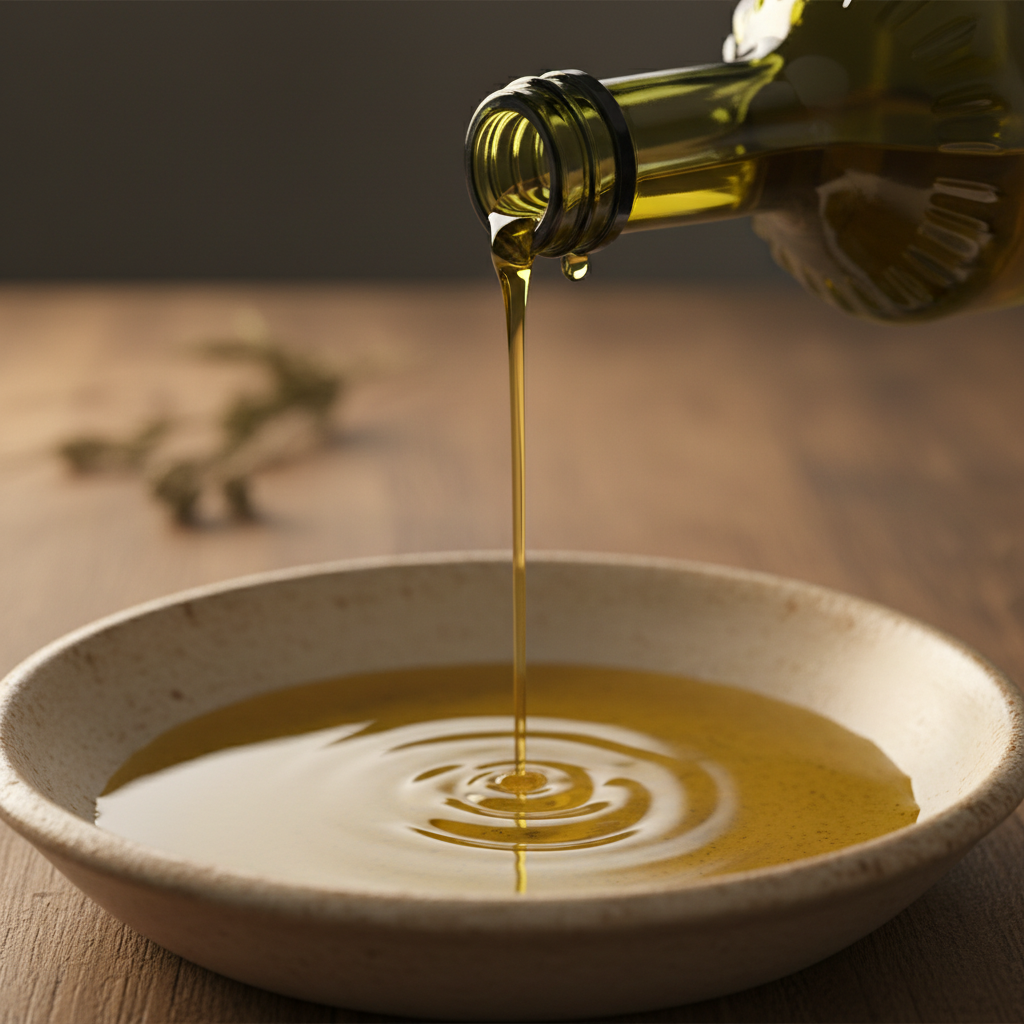
The anchovies are melted in olive oil with garlic and chilli until they dissolve into the oil. Olives and capers are added. The stroncatura is cooked and tossed in the sauce with a splash of pasta water. Toasted breadcrumbs are scattered over the top, adding crunch and absorbing the excess oil. The rough surface of the stroncatura holds every element of the sauce in place.
The Flavour of Stroncatura
Stroncatura tastes different from standard pasta. The bran and wheat germ give it a pronounced, slightly bitter, nutty flavour that is immediately recognisable. It is a pasta with a point of view. It does not disappear into its sauce. It contributes to the flavour of the dish.
This makes stroncatura best paired with bold, assertive sauces that can match its character: anchovies, nduja, aged cheeses, wild mushrooms, or slow-cooked meat ragu. Delicate sauces can be overwhelmed by the flavour of the pasta itself. The traditional Calabrian pairings, developed over generations of cooking with this pasta, are bold for a reason.
Cooking Stroncatura
Stroncatura cooks similarly to other long pasta shapes but the rough surface means it can stick more readily than smooth pasta. Use plenty of well-salted water and stir frequently in the first few minutes.
The pasta typically takes 10 to 14 minutes. The rough texture means it can be harder to judge doneness by appearance alone. Taste frequently from the 9-minute mark. You want the pasta fully tender with no chalkiness at the centre.
Finish in the pan with your sauce and pasta water. The rough surface of stroncatura is exceptionally good at absorbing sauce during the finishing step. Toss vigorously over high heat for a minute or two. The pasta will absorb the sauce rather than just being coated by it, which is the characteristic that made stroncatura worth saving from the mill floor.
The pasta that came back from the floor.
Authentic stroncatura from Calabria. Rough, dark, and built for bold sauces.
// More from the Journal