Spaghetti: The World's Most Misunderstood Pasta
// Introduction
Spaghetti is the most recognised pasta shape in the world and, outside Italy, the most consistently misused. It is paired with bolognese, which is wrong. It is served with meatballs, which is an American invention with no Italian precedent. It is overcooked, under-salted, and drowned in sauce that has no business being near it. Spaghetti deserves better. Here is what it is actually for.
What Spaghetti Is
Spaghetti means "little strings" in Italian, from "spago," meaning string or twine. It is a long, thin, solid pasta, typically 25 to 30cm long and around 2mm in diameter. It is one of the oldest pasta shapes in the Italian canon, with documented references going back to 12th-century Sicily.
The key characteristic of spaghetti is its surface area to volume ratio. It is thin enough to cook quickly and evenly, with enough surface area to hold a light, oil-based sauce. This is the crucial point: spaghetti is a pasta for light sauces. Not heavy ones. Not chunky ones. Light ones.
The Sauces Spaghetti Was Made For
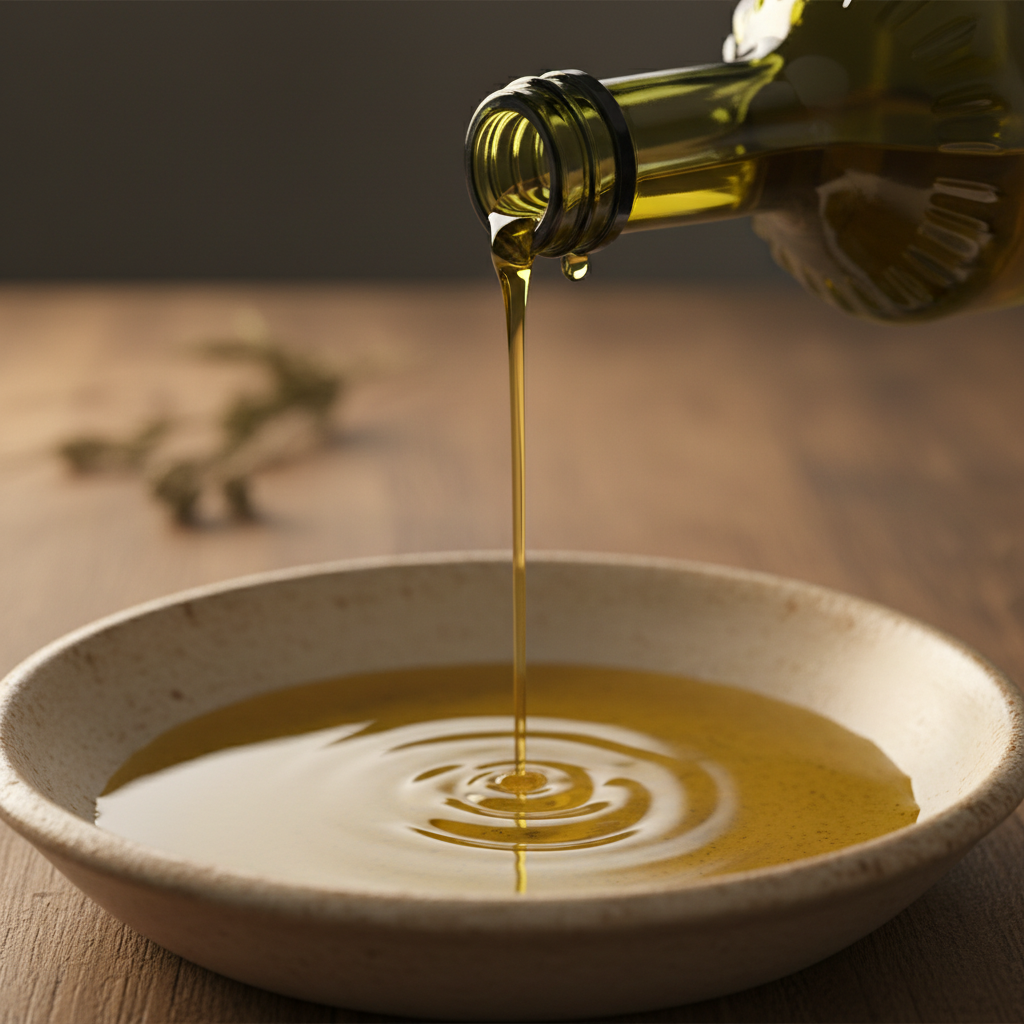
Aglio e olio: Garlic, olive oil, chilli, and parsley. This is the purest expression of spaghetti. The oil coats every strand. The garlic perfumes every bite. It takes 15 minutes and costs almost nothing and it is one of the best things you can eat.
Carbonara: Eggs, guanciale, Pecorino Romano, black pepper. No cream. Never cream. The egg sauce coats the spaghetti in a way that only works with a long, thin pasta. The guanciale clings to the strands. The pepper cuts through the richness.
Cacio e pepe: Pecorino Romano, black pepper, pasta water. Three ingredients. The technique is everything. The starchy pasta water emulsifies the cheese into a sauce that coats the spaghetti without clumping. It is one of the most technically demanding simple dishes in Italian cooking.
Vongole: Clams, white wine, garlic, olive oil, parsley. The briny clam juice becomes the sauce. The spaghetti absorbs it. The clams sit among the strands. It is the taste of the Italian coast.
What Spaghetti Is Not For
Bolognese is a meat ragu from Bologna. It is traditionally served with tagliatelle, a wide, flat pasta that can support the weight and texture of the sauce. Spaghetti is too thin and too smooth to hold a chunky meat sauce. The sauce falls off. You end up eating pasta and sauce separately, which defeats the purpose.
Meatballs are an Italian-American creation. In Italy, meatballs (polpette) are a second course, served on their own, not with pasta. The combination is not wrong exactly, but it is not Italian, and it is not what spaghetti is designed for.
This is not food snobbery. It is about understanding why pasta shapes exist. Each shape was designed for specific sauces. Using the right shape with the right sauce produces a better dish. That is the whole point.
Bronze Die Spaghetti and Why It Matters
The surface of spaghetti is everything. Teflon-die spaghetti is smooth and slippery. Sauce slides off rather than coating the strands. Aglio e olio made with Teflon-die spaghetti is oily pasta with garlic on top. Aglio e olio made with bronze-die spaghetti is a unified dish where the oil is part of the pasta.
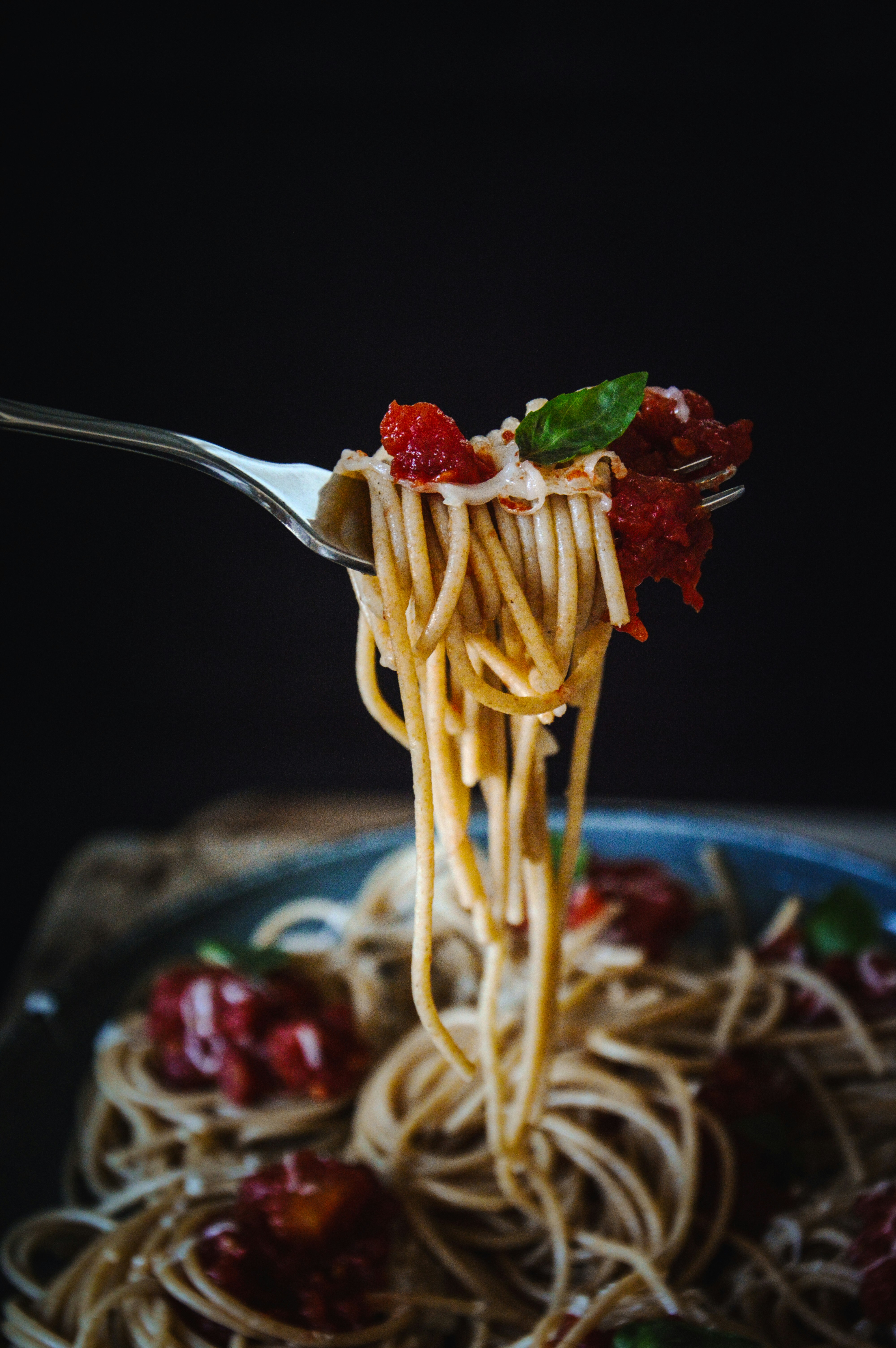
The rough, porous surface of bronze-die spaghetti creates friction that holds oil-based sauces against the pasta. This is why the same recipe tastes different depending on the pasta you use. The pasta is not a neutral vehicle. It is an active ingredient.
Slow-dried bronze-die spaghetti also has a more pronounced wheaty flavour that complements the simplicity of classic Roman sauces. When the sauce is three ingredients, the pasta needs to contribute something.
How to Cook Spaghetti
Long pasta needs a large pot. Use at least 4 litres of water for 400g of spaghetti. Salt aggressively: the water should taste like the sea. Do not break the spaghetti. It is not too long. Your pot is too small.
Cook for 2 minutes less than the packet suggests. Spaghetti should be genuinely al dente, with a slight resistance at the centre. It will finish cooking in the pan with your sauce.
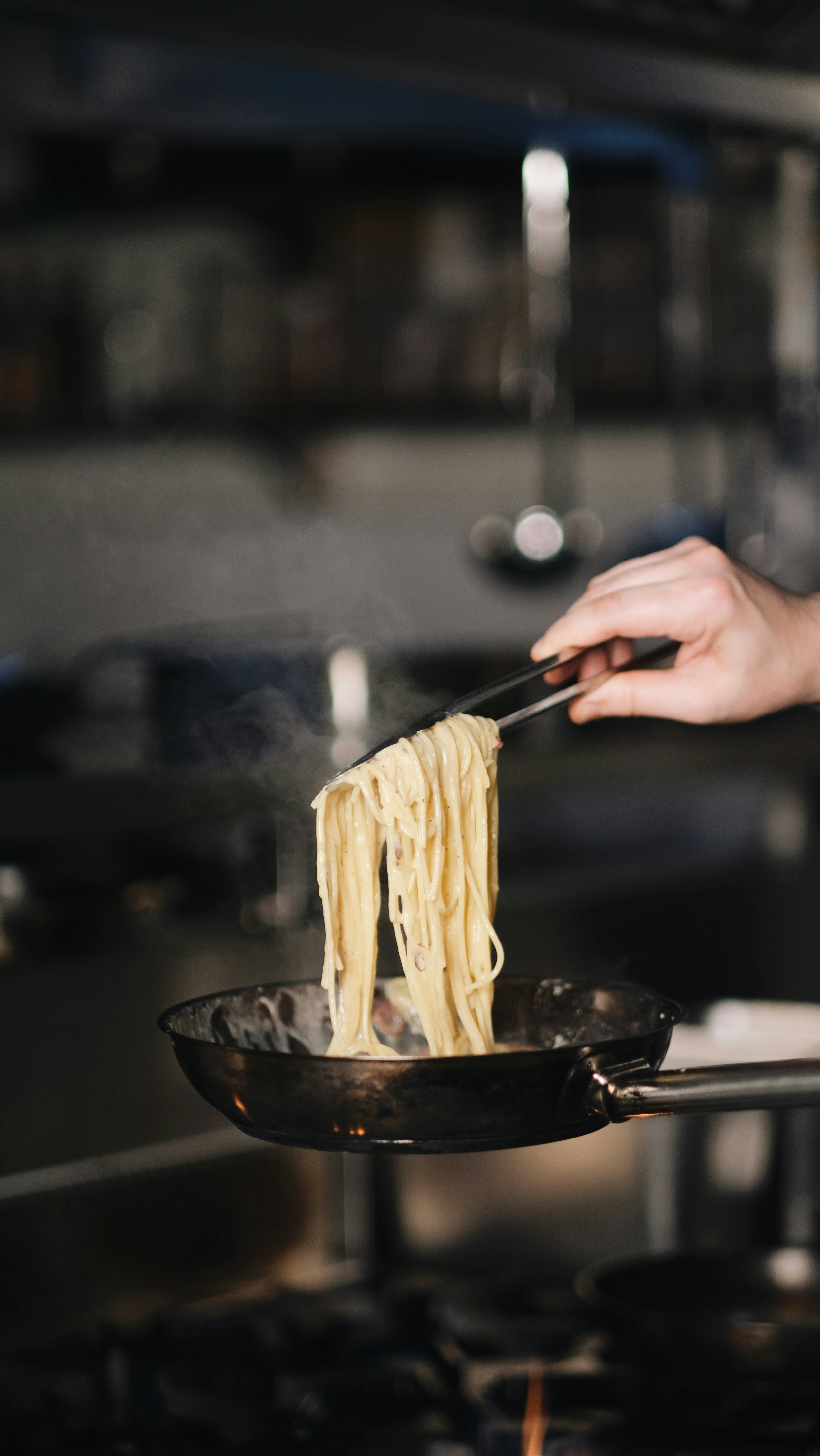
For oil-based sauces, toss the spaghetti in the pan over high heat with a splash of pasta water. The starch emulsifies the oil into a sauce that coats every strand. For egg-based sauces like carbonara, remove the pan from the heat before adding the egg mixture. Residual heat is enough. Direct heat makes scrambled eggs.
Spaghetti that holds the sauce.
Bronze-die, slow-dried, from Calabria. The surface makes the difference.
// More from the Journal