Rigatoni: The Ridged Tube That Rules Roman Cooking
// Introduction
Rigatoni means "ridged" in Italian, from the word "rigato," and the name is the entire point. Those ridges are not decorative. They are functional, structural, and the reason rigatoni is one of the most sauce-retentive pasta shapes ever designed. In Rome, rigatoni is not just a pasta shape. It is a cultural institution.
The Anatomy of a Rigatone
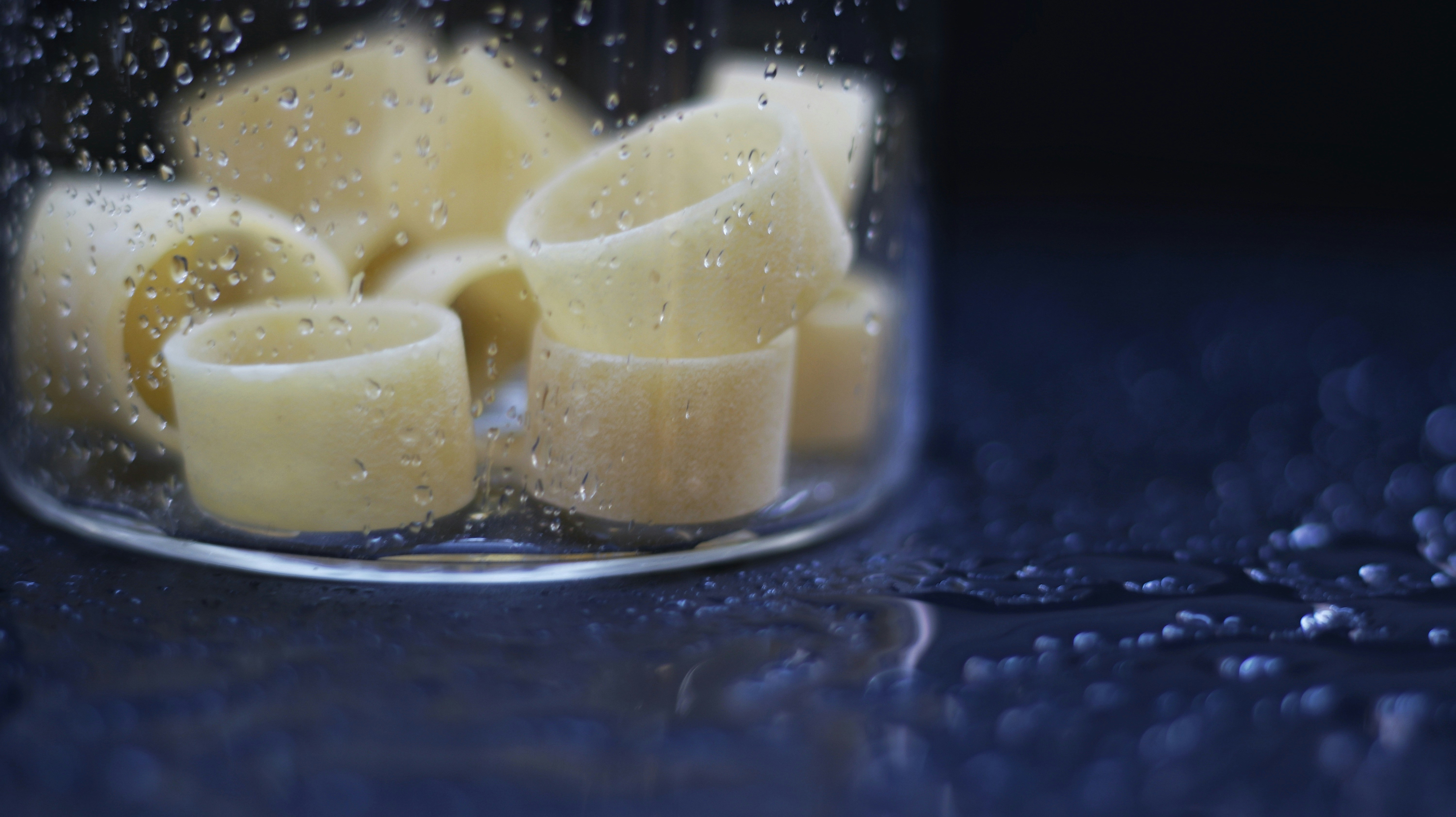
A single piece of rigatoni is a short, wide tube, typically around 4cm long and 1.5cm in diameter, with ridges running lengthwise along the outside. The ridges are not uniform: on a properly made bronze-die rigatoni, they are slightly irregular, with depth and texture that varies from piece to piece.
This irregularity is a feature, not a flaw. It means more surface area, more grip, more places for sauce to lodge and stay. The hollow centre holds sauce from the inside. The ridged exterior holds sauce from the outside. Rigatoni is, in engineering terms, optimised for sauce delivery.
Rigatoni in Roman Cuisine
Rome has a small number of canonical pasta dishes and rigatoni appears in several of them. Rigatoni alla carbonara is less common than spaghetti carbonara but arguably better: the hollow tubes trap the egg and guanciale mixture in a way that spaghetti cannot.
Rigatoni con la pajata, a traditional Roman dish made with the intestines of milk-fed veal, is one of the oldest pasta preparations in the city. It is not for the faint-hearted but it is deeply, specifically Roman in a way that few dishes are.
And then there is rigatoni all'amatriciana, the tomato and guanciale sauce from the town of Amatrice, which is perhaps the definitive rigatoni dish. The ridges catch the tomato. The hollow centre fills with sauce. Every bite is complete.
Why Bronze Die Rigatoni Is Different
The ridges on Teflon-die rigatoni are smooth and shallow. They look like ridges but they do not function like ridges. Run your finger along them and they feel almost polished.
Bronze-die rigatoni has ridges that are genuinely rough. The extrusion process leaves microscopic texture on every surface, inside and out. When you cook it, the pasta water turns slightly cloudy as starch releases from the porous surface. When you sauce it, the sauce grips rather than slides.
The difference is most obvious with a simple tomato sauce. Bronze-die rigatoni with a good San Marzano tomato sauce is a unified dish. Teflon-die rigatoni with the same sauce is pasta and sauce in the same bowl, which is not the same thing at all.
How to Cook Rigatoni Properly
Rigatoni needs properly salted water and a proper boil. Use at least 4 litres for 400g. The wide tubes need room to move and the hollow centres need to fill with water to cook evenly.
Cook for 2 minutes less than the packet suggests. Rigatoni should be al dente with a slight resistance at the centre. Finish in the pan with your sauce and a splash of pasta water. The starch in the water will emulsify the sauce and create the glossy, cohesive coating that makes restaurant pasta look the way it does.
One common mistake: draining rigatoni too thoroughly. A little pasta water clinging to the tubes is not a problem. It is an asset.
The Best Sauces for Rigatoni
Rigatoni is a robust pasta that needs robust sauces. Light, oil-based preparations are better served by long pasta shapes.
Amatriciana: Guanciale, tomato, Pecorino Romano. The classic. The ridges catch the tomato and the hollow centre fills with the rendered fat from the guanciale. Nothing else is needed.
Sausage and fennel: Crumbled Italian sausage with fennel seeds, white wine, and a little cream. The ridges hold the crumbled meat. The hollow tubes fill with sauce. Every forkful has everything.
Nduja and burrata: Spicy Calabrian nduja melted into tomato sauce, finished with torn burrata and a pour of cold-pressed olive oil. The heat of the nduja against the cool, creamy burrata is one of the great contrasts in Italian cooking.
Bronze-die pasta built for serious sauces.
Slow-dried, rough-textured rigatoni from Calabria. The ridges are the point.
// More from the Journal