Orecchiette: The Little Ears of Puglia
// Introduction
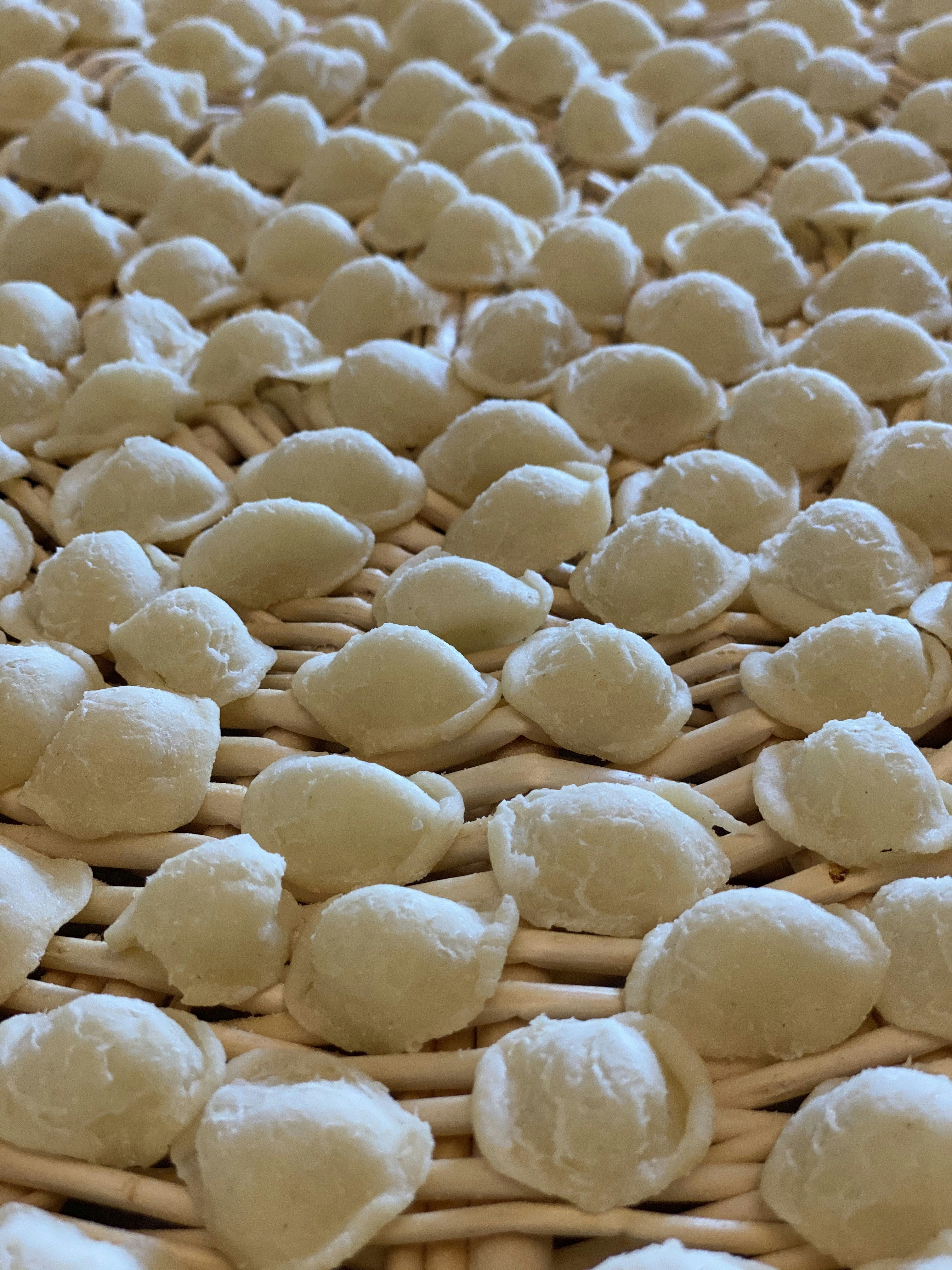
Orecchiette means "little ears" in Italian and the name is exact. Each piece is a small, concave disc, roughly 2cm across, with a thin centre and thicker edges, shaped like a tiny ear or a shallow cup. The cup is not decorative. It is the entire reason orecchiette exists: a vessel designed to hold sauce, to cup it, to deliver it in concentrated form with every bite.
The Pugliese Tradition
Orecchiette is the pasta of Puglia, the heel of Italy's boot, and it is one of the most geographically specific pasta shapes in the Italian canon. While other shapes have spread across regions and been adopted nationally, orecchiette remains fundamentally Pugliese in character and in the dishes it is associated with.
In Bari, the regional capital, orecchiette is still made by hand on the streets of the old city. Women sit outside their doors with boards and knives, shaping pasta at extraordinary speed, each piece formed with a single movement of the knife and thumb. It is one of the most impressive food traditions in Italy and it is entirely ordinary to the people doing it.
The Shape and How It Works
The orecchiette shape is achieved by pressing a small piece of dough with a knife or thumb, dragging it across a board to create the curl, then inverting it over the thumb to form the cup. The result is a disc with a concave interior, thicker at the edges than at the centre.
This thickness differential is important. The thicker edges take longer to cook than the thin centre, which means a properly cooked orecchiette has a range of textures within a single piece. The centre is tender. The edges are al dente. The cup holds sauce.
For dried orecchiette, the shape is extruded through bronze dies that replicate the hand-shaped form. The rough surface of bronze-die extrusion adds texture that the smooth hand-shaped version lacks, making it even more effective at holding sauce.
Orecchiette con le Cime di Rapa
The canonical orecchiette dish is orecchiette con le cime di rapa: orecchiette with turnip tops (also called broccoli rabe or rapini). It is one of the great pasta dishes of southern Italy and it is almost unknown outside the region.
The turnip tops are blanched in the pasta water, then sauteed with garlic, anchovies, and chilli in olive oil until they break down into a rough, intensely flavoured sauce. The orecchiette is cooked in the same water, then tossed with the greens. The bitterness of the turnip tops, the salt of the anchovies, the heat of the chilli, and the richness of the olive oil come together in the cup of each orecchiette.
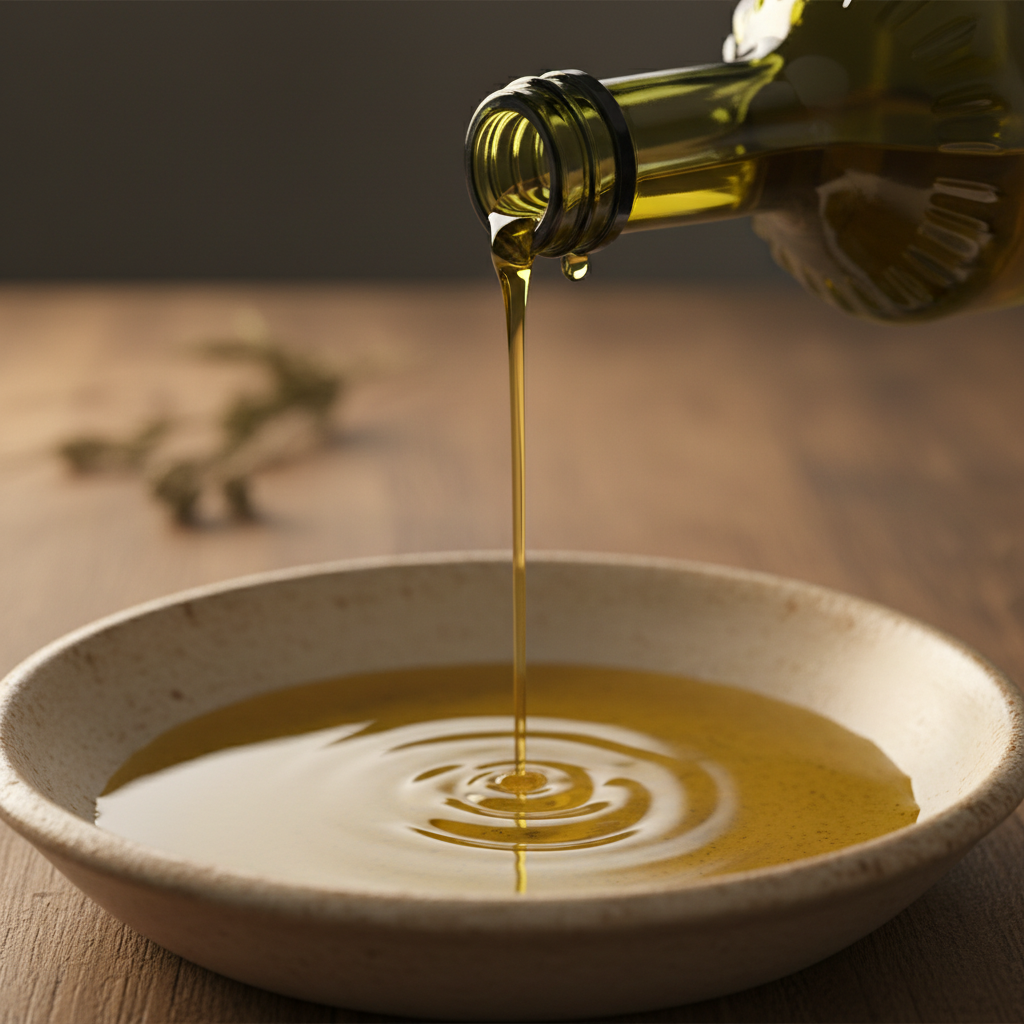
It is a dish that requires good olive oil. The oil is not a background note. It is a primary flavour. Cold-pressed extra virgin from Calabria, with its peppery finish and high polyphenol content, is the right choice.
Other Sauces for Orecchiette
Sausage and tomato: Crumbled Italian sausage with tomato sauce. The cup holds the small pieces of sausage. The sauce fills the concave interior. It is a simple, satisfying combination that works because the shape does the work.
Pesto: Orecchiette with pesto is a Ligurian-Pugliese crossover that works better than it has any right to. The cup holds the pesto in a way that spaghetti cannot. Every piece delivers a concentrated hit of basil and olive oil.
Burrata and cherry tomatoes: A summer dish. Roasted cherry tomatoes with garlic and olive oil, tossed with orecchiette, finished with torn burrata. The cup holds the tomato juices. The burrata melts into the warm pasta. It is the taste of August in southern Italy.
Cooking Orecchiette
Orecchiette takes longer to cook than most pasta shapes because of the thickness differential between the centre and edges. Follow the packet instructions but taste frequently from the 8-minute mark. You want the edges al dente and the centre just tender.
For orecchiette con le cime di rapa, cook the greens in the pasta water before adding the pasta. The greens flavour the water, which flavours the pasta. It is a small thing that makes a significant difference.
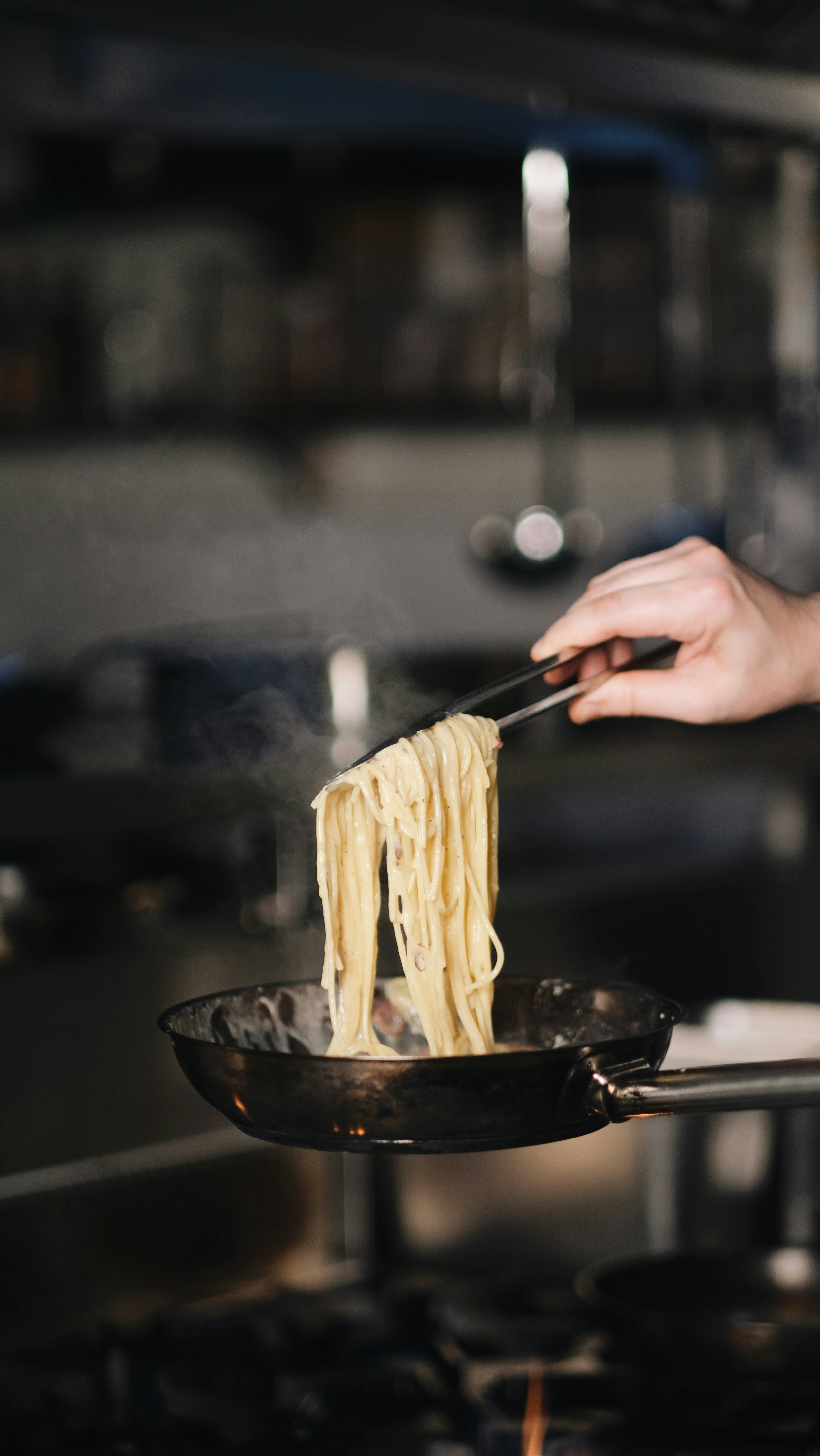
Always finish in the pan with your sauce and a splash of pasta water. The starch in the water helps the sauce coat the orecchiette evenly, including inside the cup.
The cup that holds the sauce.
Bronze-die orecchiette from Calabria. Shaped to deliver flavour.
// More from the Journal