Foglie di Ulivo: The Pasta Shaped Like an Olive Leaf
// Introduction
Foglie di ulivo means olive leaves, and the pasta earns its name completely. Each piece is thin, slightly curved, and ridged along its length to mimic the narrow, elongated form of the olive leaf. It is one of the most visually striking pasta shapes in Italy and one of the most thoughtfully designed: the curve and ridges that make it beautiful are also what make it hold sauce.
The Shape and Its Origins
Foglie di ulivo is a specialty of Puglia and Calabria, the two regions of southern Italy where olive cultivation has defined the landscape and the culture for millennia. The shape is a tribute to the olive tree, the most important agricultural presence in both regions, and it carries that significance into the kitchen.
The pasta is made from semolina and water, extruded through bronze dies that create the characteristic leaf shape: narrow, slightly curved, with a central ridge running along the length and smaller ridges on either side. The result is a pasta that looks like it was pressed from an actual olive branch.
Why the Shape Works
The ridges of foglie di ulivo are not purely decorative. The central ridge creates a slight curve in the pasta, which means it does not lie flat in the bowl. The curved surface catches sauce differently on each side: the concave interior holds sauce in a pool, the convex exterior grips sauce on its ridged surface.
The thin profile of the pasta means it cooks quickly and evenly. Unlike thick, dense shapes, foglie di ulivo is delicate. It pairs best with lighter sauces that complement rather than overwhelm its texture: olive oil-based sauces, light tomato sauces, fresh herbs, and seafood.
Foglie di Ulivo with Olive Oil and Herbs
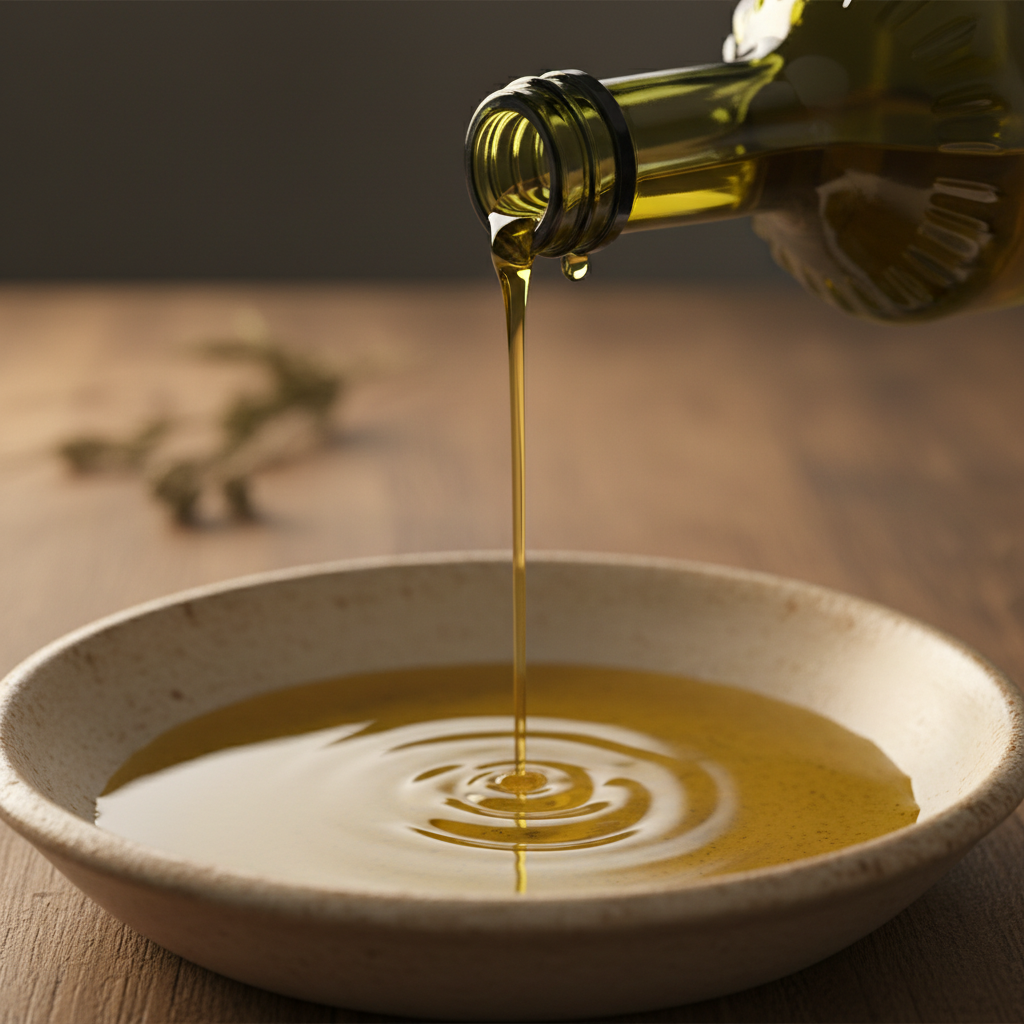
The most natural pairing for a pasta shaped like an olive leaf is olive oil itself. A simple preparation of garlic, fresh herbs (rosemary, thyme, or sage), and the best cold-pressed extra virgin olive oil you can find is one of the most honest pasta dishes in the Italian canon.
The garlic is gently warmed in the oil until fragrant, not browned. The herbs are added and allowed to infuse for a minute. The cooked foglie di ulivo is tossed in the oil with a splash of pasta water to emulsify. The result is a pasta that tastes of the olive grove: grassy, peppery, herbal, and clean. It is a dish that rewards good olive oil in a way that heavier sauces do not.
Other Pairings for Foglie di Ulivo
Clams and white wine: The delicate shape of foglie di ulivo pairs beautifully with vongole. The clams open in white wine and olive oil, releasing their briny juices into the sauce. The curved leaf shape holds the small clams in place. The ridges grip the oil-based sauce. It is a coastal Calabrian dish at its finest.
Cherry tomatoes and burrata: A summer preparation. Slow-roasted cherry tomatoes with garlic and olive oil, tossed with foglie di ulivo, finished with torn burrata and fresh basil. The thin pasta cooks quickly and the light tomato sauce does not overwhelm it.
Pesto and green beans: A Ligurian-inspired preparation that works beautifully with the leaf shape. The pesto coats the ridged surface. The green beans add texture. The visual effect of the olive leaf pasta with green pesto is striking.
Cooking Foglie di Ulivo
Foglie di ulivo is a thin pasta and cooks faster than most southern Italian shapes. Dried foglie di ulivo typically takes 8 to 11 minutes. Watch it carefully from the 7-minute mark. The thin profile means it goes from al dente to soft quickly.
Use well-salted water and a large pot. The curved shape means the pasta can stack if the pot is too small. Stir frequently in the first two minutes to prevent sticking.
Because foglie di ulivo pairs best with light, oil-based sauces, the finishing step is particularly important. Toss the drained pasta in the pan with your sauce and a small splash of pasta water over medium heat. The starch emulsifies the oil into a light, glossy coating that clings to every ridge of the leaf shape.
The pasta that honours the olive tree.
Bronze-die foglie di ulivo from Calabria. Shaped for the sauces of the south.
// More from the Journal