Fileja: The Calabrian Pasta That Has Never Left Home
// Introduction
Fileja is a pasta that has barely left Calabria. While shapes like rigatoni and penne have conquered the world, fileja has stayed home, made in the same way for centuries, shaped around the same thin rod, served with the same bold Calabrian sauces. It is one of the most ancient pasta shapes in Italy and one of the least known outside its region of origin. That is about to change.
What Fileja Is
Fileja is a long, hollow spiral pasta, similar in concept to busiata but longer and with a looser coil. It is made by rolling a thin rope of semolina dough around a thin rod, traditionally a knitting needle or a piece of wire, then sliding the rod out to leave a hollow tube with a slight spiral along its length.
The name comes from the Calabrian dialect word for the rod used to shape it. In different parts of Calabria, the same shape goes by different names: fileja, fileja calabrese, or simply pasta impastata. The technique is consistent: hand-rolled, hollow, slightly irregular, and rough-surfaced.
The Ancient Roots
Fileja is one of the oldest pasta shapes in Italy. References to similar shapes appear in Calabrian records going back centuries, and the technique of shaping pasta around a rod is documented across the ancient Mediterranean. The shape predates the industrial pasta industry by a very long time.
This age is part of what makes fileja interesting. It has not been optimised for factory production. It has not been smoothed out or standardised. The slight irregularity of each piece, the variation in the coil, the rough surface left by the rod, these are features, not flaws. They are what make fileja hold sauce the way it does.
Fileja with Nduja
The most celebrated Calabrian preparation pairs fileja with nduja, the spreadable, fiery salami that is one of Calabria's greatest contributions to world cuisine. Nduja is made from pork fat, offal, and Calabrian chilli peppers, fermented and cured until it becomes a soft, intensely flavoured paste that melts into any sauce it touches.
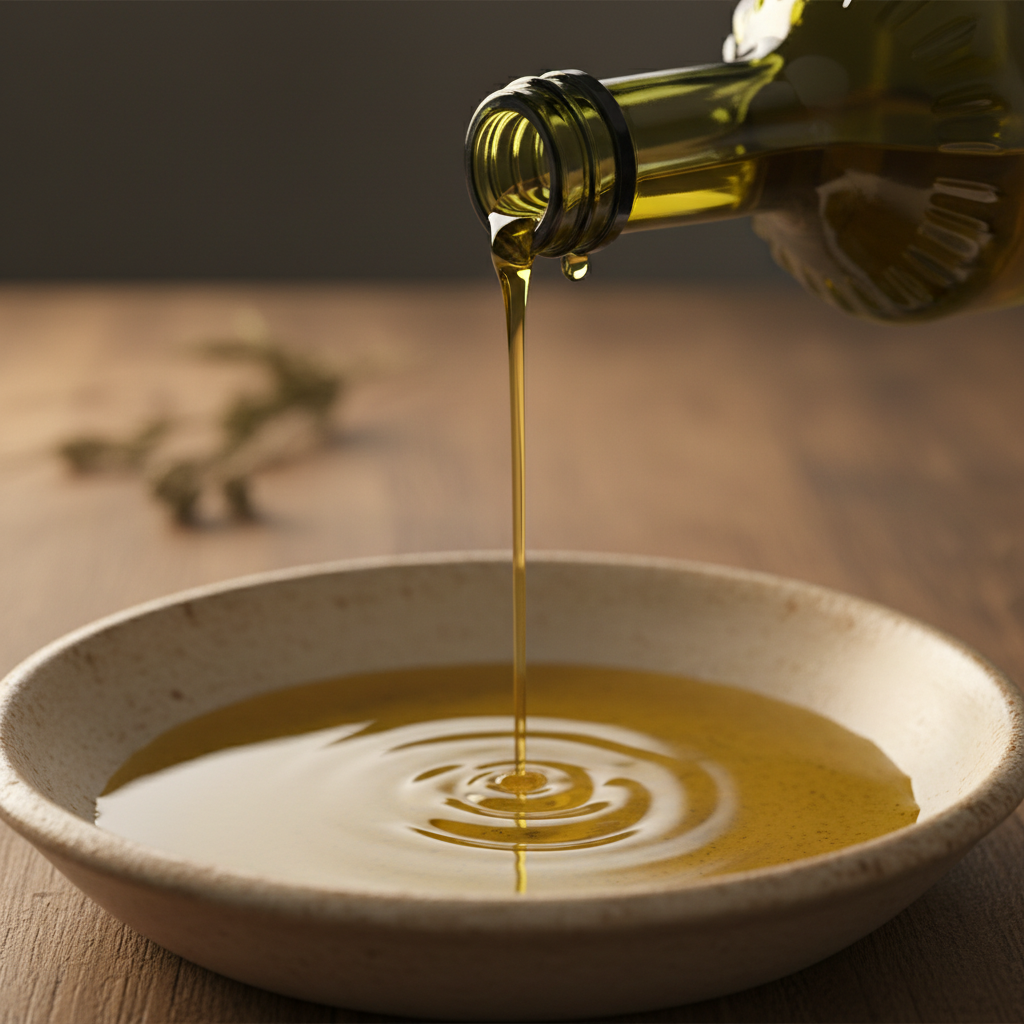
For fileja al nduja, the nduja is melted in a pan with a little olive oil until it releases its fat and chilli oil. Crushed tomatoes are added and the sauce is simmered until thick and glossy. The fileja is cooked, tossed in the sauce, and finished with a drizzle of cold-pressed extra virgin olive oil. The hollow of the fileja fills with the spiced tomato sauce. The spiral holds the nduja fat in every groove. It is one of the great pasta dishes of Italy.
Other Calabrian Pairings
Fileja with nduja and ricotta: A slightly gentler version of the classic. The ricotta cuts the heat of the nduja and adds a creamy richness that fills the hollow of the fileja beautifully. A little lemon zest brightens the whole dish.
Fileja with swordfish and capers: In coastal Calabria, fileja is paired with swordfish, capers, olives, and tomatoes. The firm fish holds up to the robust pasta. The capers and olives add salt and acidity. The olive oil ties everything together.
Fileja with wild mushrooms: Inland Calabria produces extraordinary wild mushrooms, particularly porcini and ovoli. A simple sauce of sauteed mushrooms with garlic, thyme, and olive oil is one of the best things you can put inside a fileja.
Cooking Fileja
Fileja is a thick, dense pasta and needs time to cook properly. Dried fileja typically takes 14 to 18 minutes. The hollow interior means the heat needs to penetrate to the centre, and the thick walls of the spiral mean this takes longer than you might expect.
Taste from the 13-minute mark. You want the exterior fully tender and the interior with just a little resistance. Fileja that is undercooked has a chalky, starchy centre that no sauce can fix. Take the time to cook it properly.
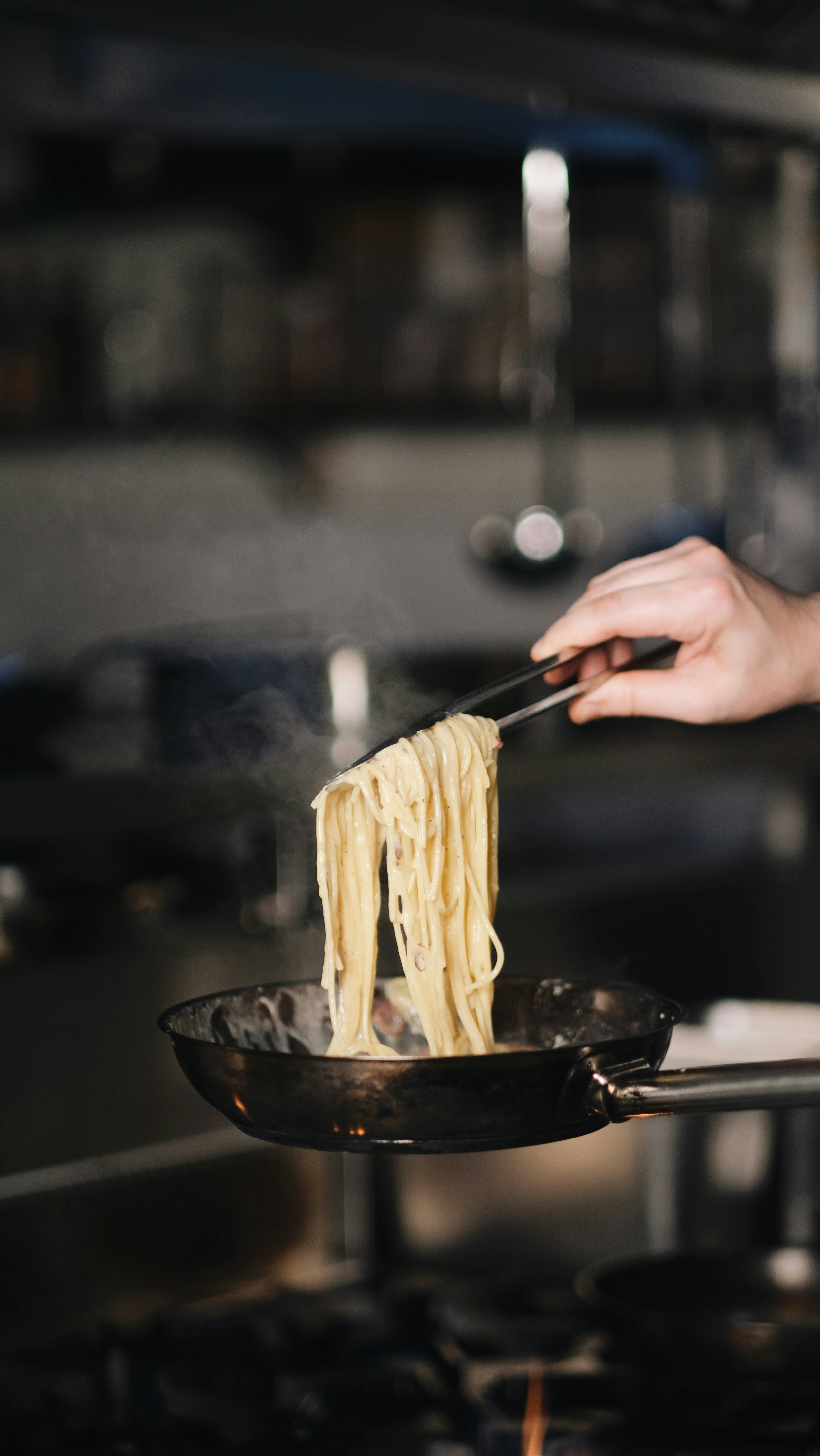
Finish in the pan with your sauce and a generous splash of pasta water. The starch in the water emulsifies the fat in the sauce and helps it coat the spiral inside and out. Toss vigorously for a minute over high heat. The fileja should be glossy and fully coated.
The pasta that stayed home.
Authentic fileja from Calabria. Bronze-die, slow-dried, and built for bold sauces.
// More from the Journal