Cavatelli: The Tiny Shell That Punches Above Its Weight
// Introduction
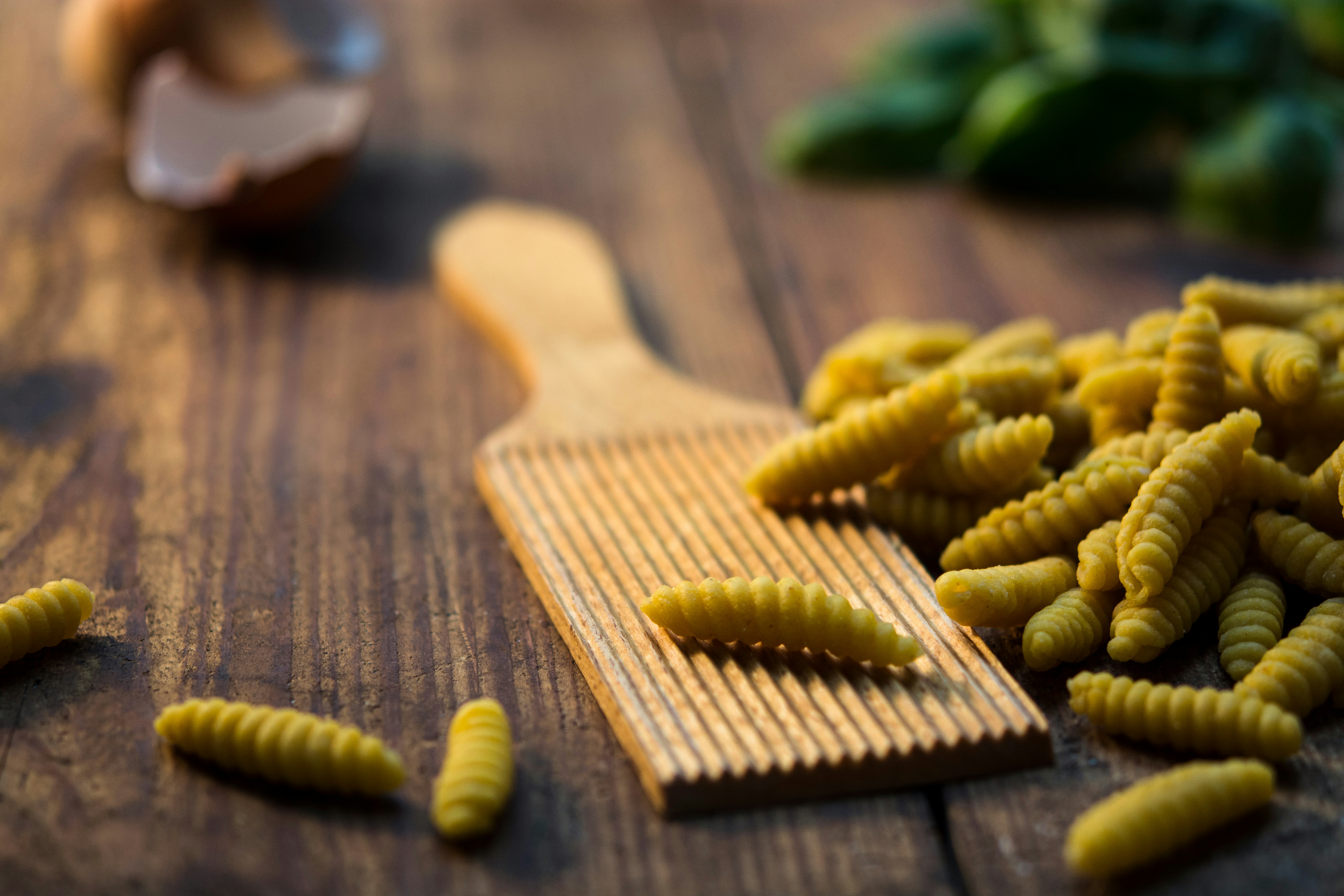
Cavatelli is small enough to overlook and interesting enough to obsess over. Each piece is a tiny, elongated shell, roughly 2cm long, with a curl that creates a hollow interior and a ridged exterior. It is a pasta that looks modest and performs magnificently, trapping sauce inside its curl while gripping it on the outside.
Where Cavatelli Comes From
Cavatelli is a pasta of the Italian south, with strong roots in Molise, Puglia, Basilicata, and Calabria. The name comes from "cavare," meaning to hollow out, which describes the shaping technique: a small piece of dough is pressed and rolled with a finger or a knife to create the characteristic curl.
In its traditional form, cavatelli is a fresh pasta made from semolina and water, shaped by hand. The dried version, extruded through bronze dies, captures the same shape with the added benefit of a rough, porous surface that holds sauce even more effectively than the hand-shaped original.
The Curl and Why It Matters
The defining feature of cavatelli is the curl. When the dough is pressed and rolled, it curls back on itself, creating a hollow interior and a ridged exterior. This is not an aesthetic choice. It is a functional one.
The hollow interior traps sauce. The ridged exterior grips sauce. The curl means that every piece of cavatelli has multiple surfaces working simultaneously to hold the sauce in place. For chunky, vegetable-based sauces, this is particularly effective: small pieces of vegetable or meat lodge in the curl and stay there.
Cavatelli is also a pasta that holds its shape under heat. It does not go soft quickly. It maintains its structure through the finishing process in the pan, which means you can cook it more aggressively than more delicate shapes.
The Best Sauces for Cavatelli
Cavatelli is a southern Italian pasta and it pairs best with southern Italian flavours.
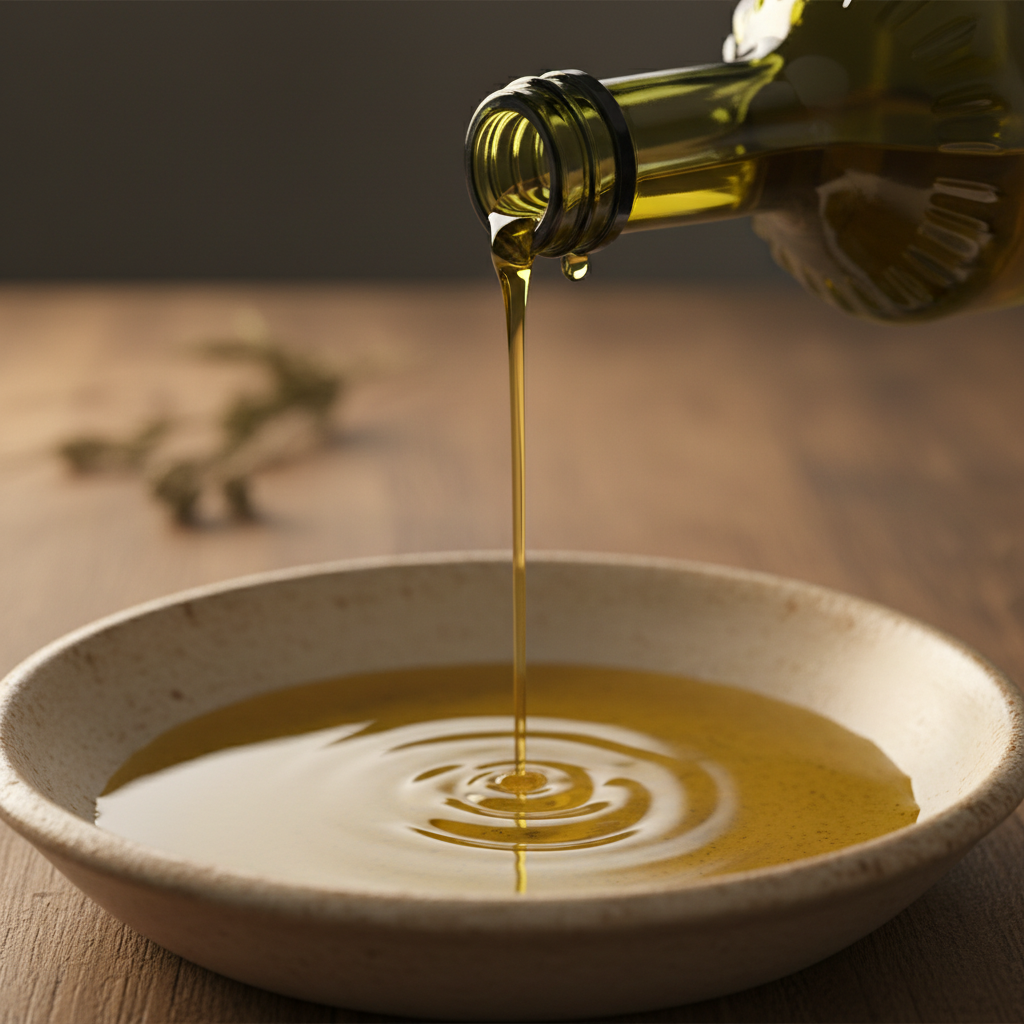
Broccoli and garlic: The classic Pugliese preparation. Broccoli florets cooked down with garlic and olive oil until soft, then tossed with cavatelli and a generous pour of cold-pressed extra virgin. The broccoli breaks down into a rough sauce that lodges in the curls. Simple, satisfying, and completely correct.
Nduja and tomato: The Calabrian combination. Nduja melts into tomato sauce to create something spicy, savoury, and deeply flavoured. The cavatelli curls trap the sauce and the small pieces of dissolved nduja. Every bite has everything.
Ricotta and lemon: A lighter option. Fresh ricotta loosened with pasta water, lemon zest, and a pour of olive oil. The cavatelli curls hold the ricotta. The lemon cuts through the richness. It is a summer dish that takes ten minutes.
Cavatelli vs Other Small Pasta Shapes
Cavatelli is often compared to orecchiette, the ear-shaped pasta from Puglia, and the comparison is useful. Both are small, both are shaped to hold sauce, and both are traditional to the Italian south.
The difference is in the mechanism. Orecchiette is a cup: it holds sauce in a concave depression. Cavatelli is a curl: it holds sauce in a hollow interior. For very chunky sauces, orecchiette is better. For sauces with smaller particles, cavatelli is better. For most purposes, both are excellent and the choice comes down to preference.
Cavatelli is also smaller and more uniform than orecchiette, which makes it better suited to dishes where you want the pasta to integrate with the sauce rather than dominate it.
Small pasta. Big flavour.
Bronze-die cavatelli from Calabria. The curl is the point.
// More from the Journal