Cavatelli: The Little Hollow That Holds Everything
// Introduction
Cavatelli is one of the oldest pasta shapes in southern Italy. Small, shell-like, and slightly hollow, each piece is formed by pressing a small ball of dough with two fingers and dragging it across a board. The result is a curved, ridged shape with a cavity that was designed, over centuries of cooking, to hold sauce. Not just carry it. Hold it.
Where Cavatelli Comes From
Cavatelli is native to the southern regions of Italy, with strong roots in Calabria, Basilicata, Molise, and Puglia. The name comes from the Italian "cavare," meaning to hollow out, and the shape reflects exactly that: a small piece of dough hollowed by hand into a curved shell.
In Calabria, cavatelli has been made in home kitchens for generations. The dough is simple: semolina flour and water, sometimes with a little egg. The shaping is done by hand, two fingers pressing and dragging across a wooden board. The rough surface left by the board is not a flaw. It is the point. That texture is what holds the sauce.
The Shape and Why It Works
The genius of cavatelli is structural. The hollow interior acts as a cup, collecting sauce and holding it through the journey from pan to fork to mouth. The ridged exterior grips additional sauce. The curved shape means the pasta rolls rather than slides, picking up more sauce with each movement in the pan.
This is not accidental design. Generations of cooks in southern Italy refined this shape because it worked. A flat pasta loses sauce. A smooth pasta lets sauce slide off. Cavatelli holds on. Every bite delivers pasta and sauce in the right proportion, which is the entire point of the exercise.
Cavatelli with Broccoli and Chilli
The most classic Calabrian preparation pairs cavatelli with broccoli, garlic, chilli, and olive oil. It is a dish of extraordinary simplicity and depth. The broccoli is blanched in the pasta water until just tender, then sauteed with sliced garlic and dried Calabrian chilli in generous amounts of extra virgin olive oil until it begins to break down into a rough, fragrant sauce.
The cavatelli is cooked in the same water, then tossed with the broccoli in the pan with a splash of pasta water to emulsify. The hollow of each cavatelli fills with the broccoli and oil. The chilli heat builds slowly. The olive oil ties everything together.
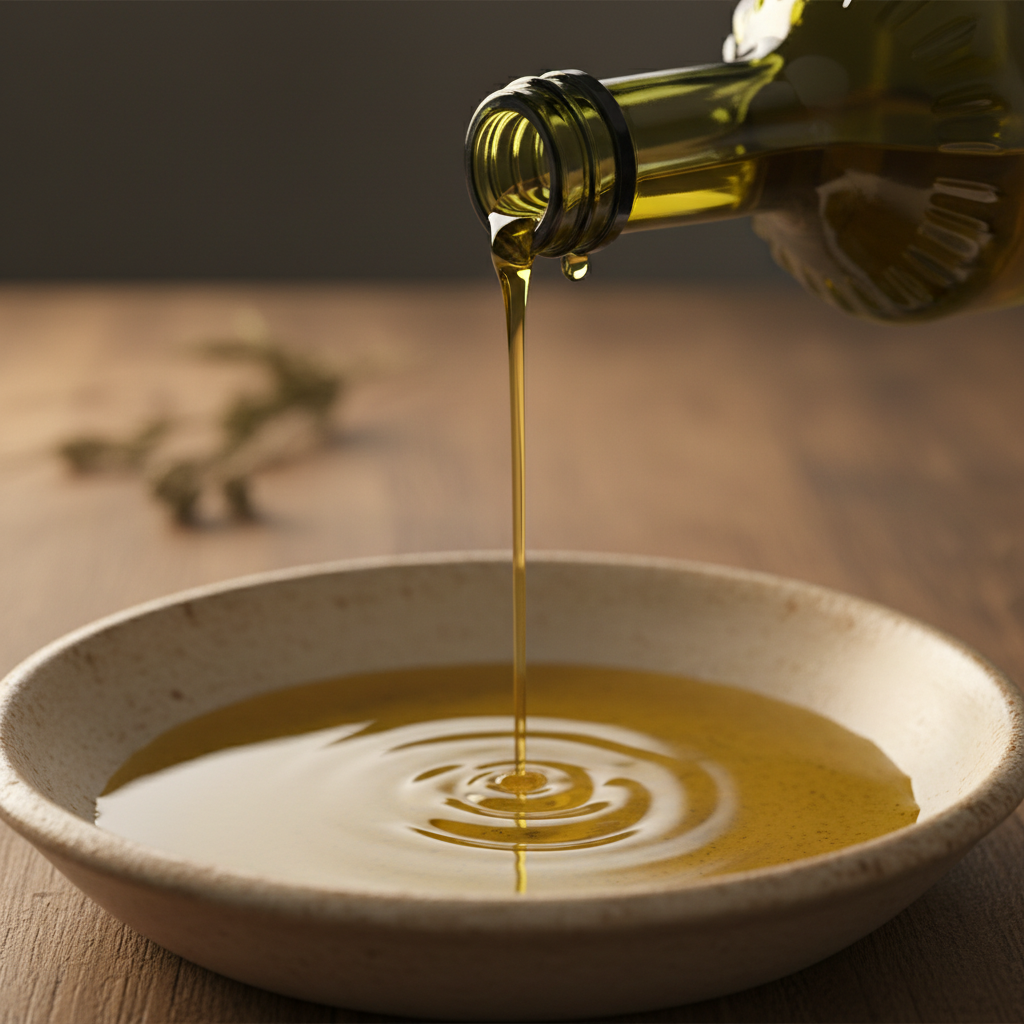
This dish needs good olive oil. Not as a finishing drizzle but as a structural ingredient. Cold-pressed extra virgin from Calabria, with its peppery finish and grassy notes, is the right choice.
Other Pairings for Cavatelli
Nduja and tomato: Cavatelli with nduja, the spreadable Calabrian salami, and crushed tomatoes is one of the great pasta dishes of the south. The nduja melts into the tomato sauce, releasing its fat and chilli heat. The cavatelli holds the rich, spiced sauce in its hollow. It is bold, warming, and deeply satisfying.
Sausage and mushroom ragu: A slow-cooked ragu of crumbled pork sausage and wild mushrooms clings to the ridged surface of cavatelli in a way that smooth pasta cannot match. The hollow fills with the chunky sauce. Every piece delivers the full flavour of the ragu.
Ricotta and lemon: A lighter option. Fresh ricotta loosened with pasta water, lemon zest, and a generous pour of olive oil. The cavatelli holds the creamy ricotta in its hollow. It is a summer dish, bright and clean, that shows the versatility of the shape.
Cooking Cavatelli
Cavatelli is a dense pasta and takes longer to cook than you might expect. Dried cavatelli typically needs 10 to 14 minutes. Taste frequently from the 9-minute mark. You want the exterior tender and the interior with just a little resistance, the classic al dente.
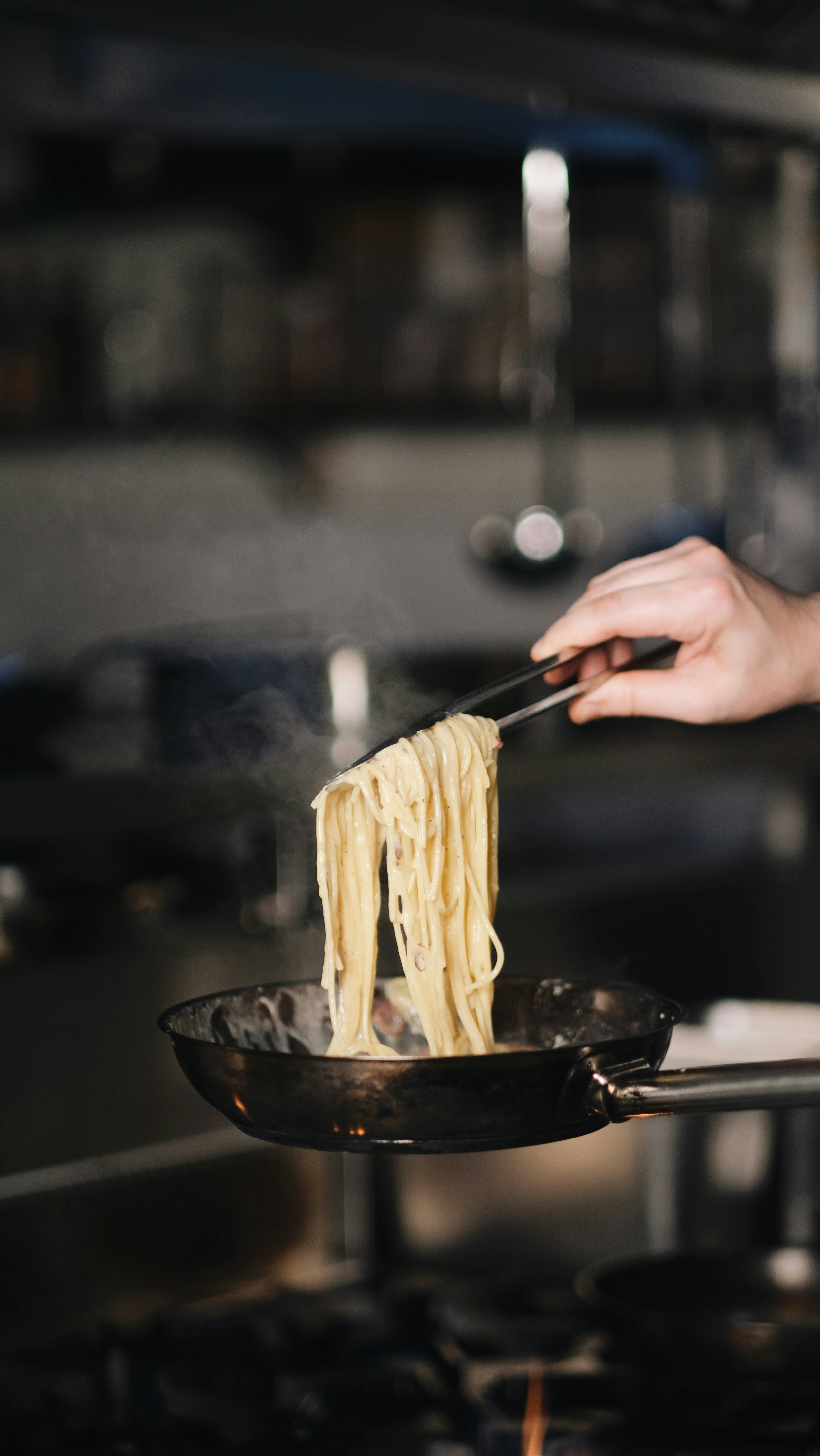
Always finish in the pan with your sauce. Add a splash of pasta water and toss over medium-high heat for a minute or two. The starch in the water emulsifies the fat in the sauce, creating a glossy coating that fills the hollow of each cavatelli. This step is not optional. It is what makes the dish.
The hollow that holds the sauce.
Bronze-die cavatelli from Calabria. Shaped to deliver every drop of flavour.
// More from the Journal